
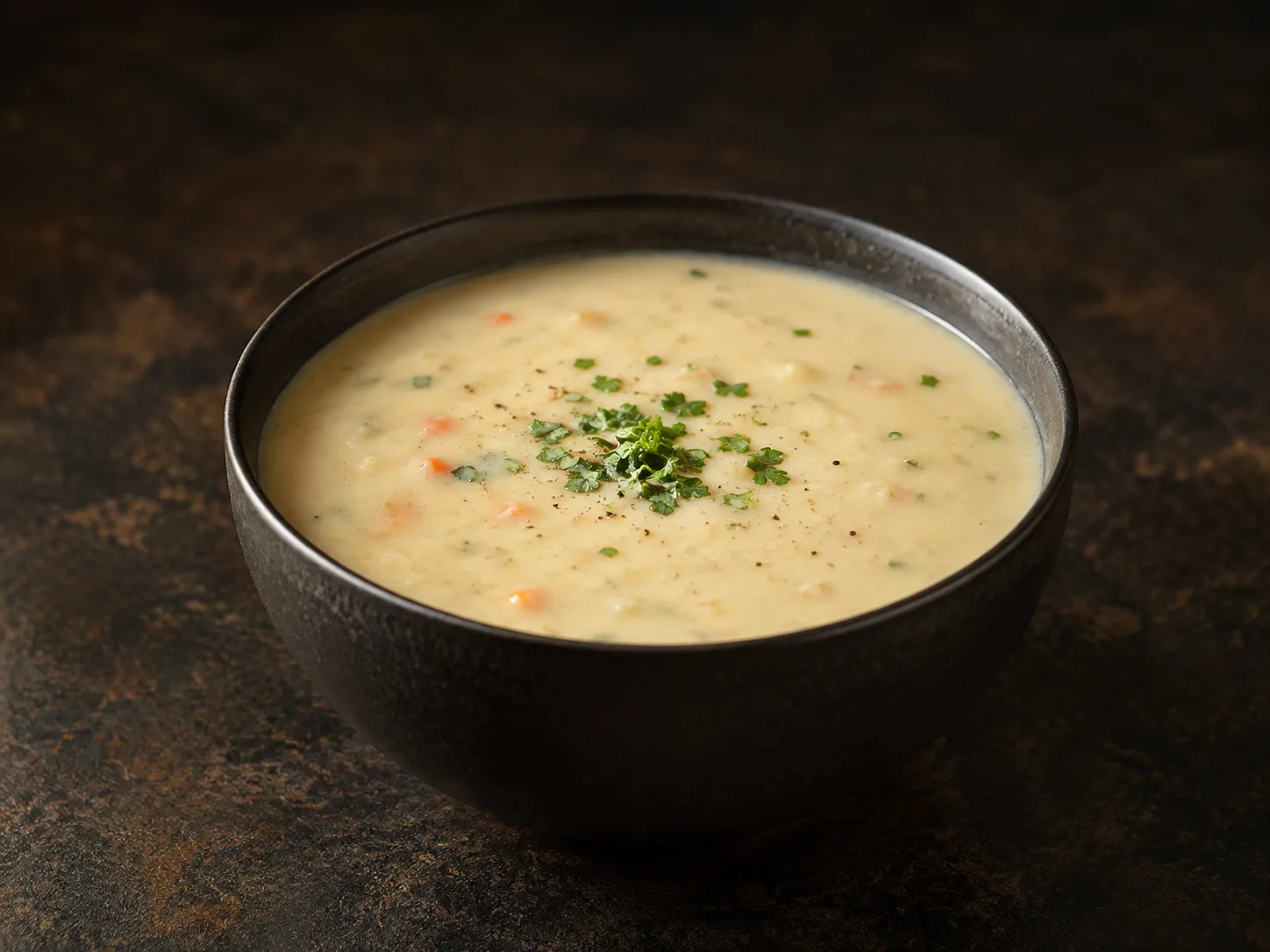
Instant Soups
Pregelatinized potato flour + dehydrated potato flour
Cold-water viscosity builds in seconds, so the cup or packet delivers body without a cook step; the whole flour supplies potato solids and mouthfeel.
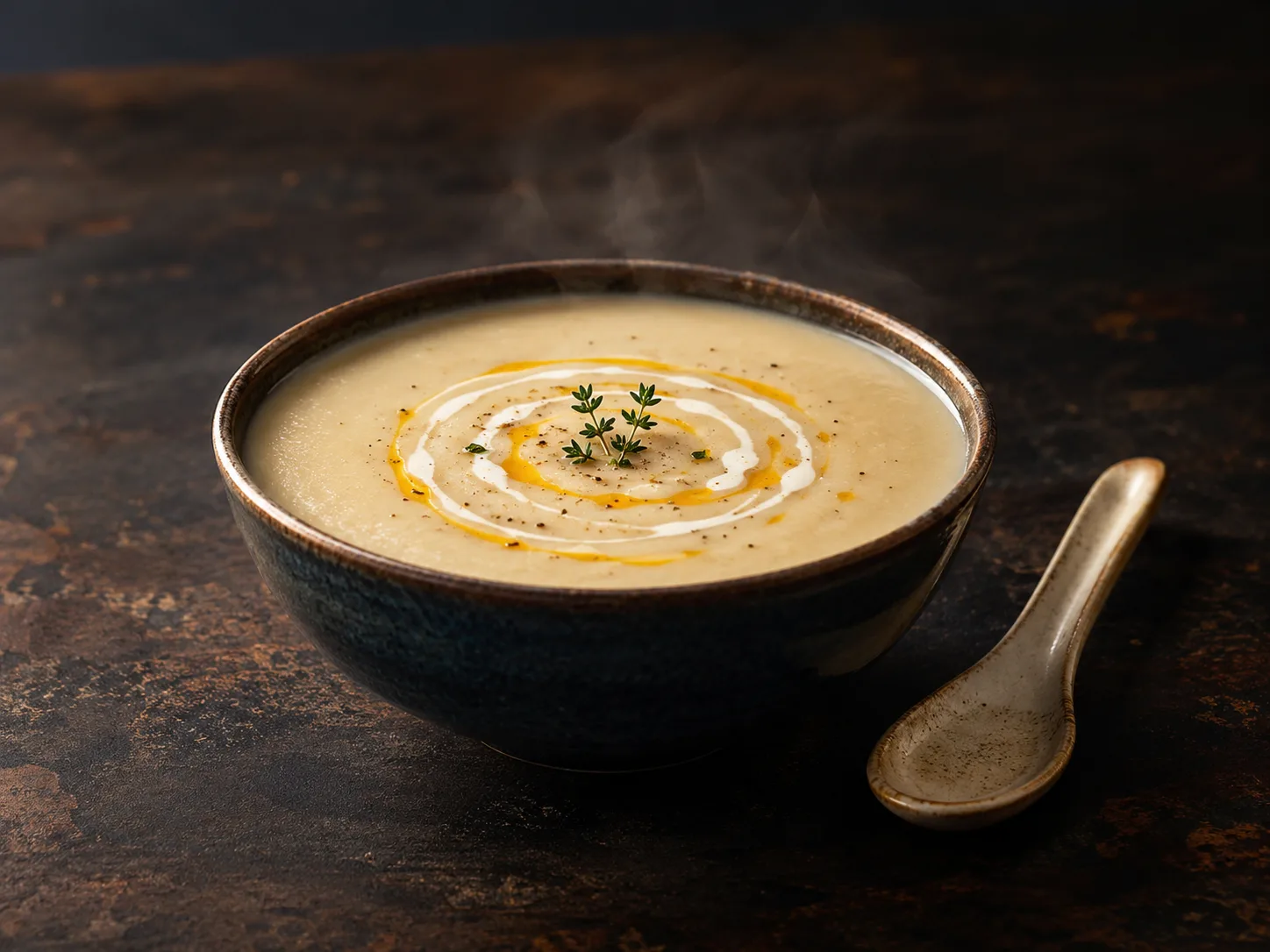
Soups & Sauces Applications · Instant & Dry-Mix Systems
Pregelatinized potato flour disperses, hydrates and builds viscosity in cold or low-heat systems; dehydrated whole flour adds potato solids, flavour and body. This page maps both roles across instant soups, sauces, gravies and dry mixes.
Application scenarios
Each scenario pairs a pregelatinized flour for speed with a whole flour for solids, flavour and body. Ratios are validated in your own water, mixer and cook profile.
Cold-water viscosity builds in seconds, so the cup or packet delivers body without a cook step; the whole flour supplies potato solids and mouthfeel.
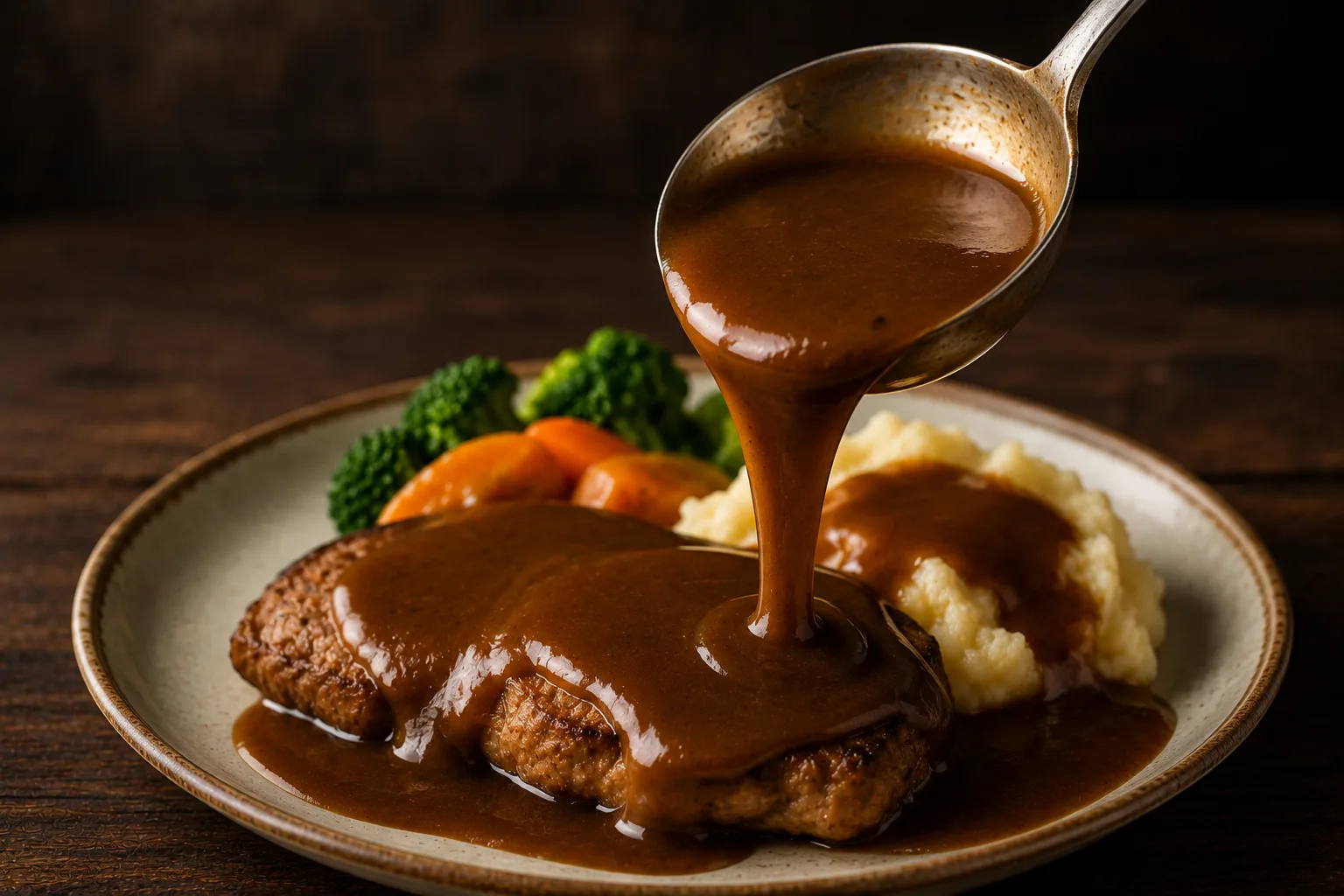
Rapid viscosity and a smooth, lump-free texture in cold-blended, hot-fill or reheat systems, with sheen and cling controlled by the pregelatinized fraction.
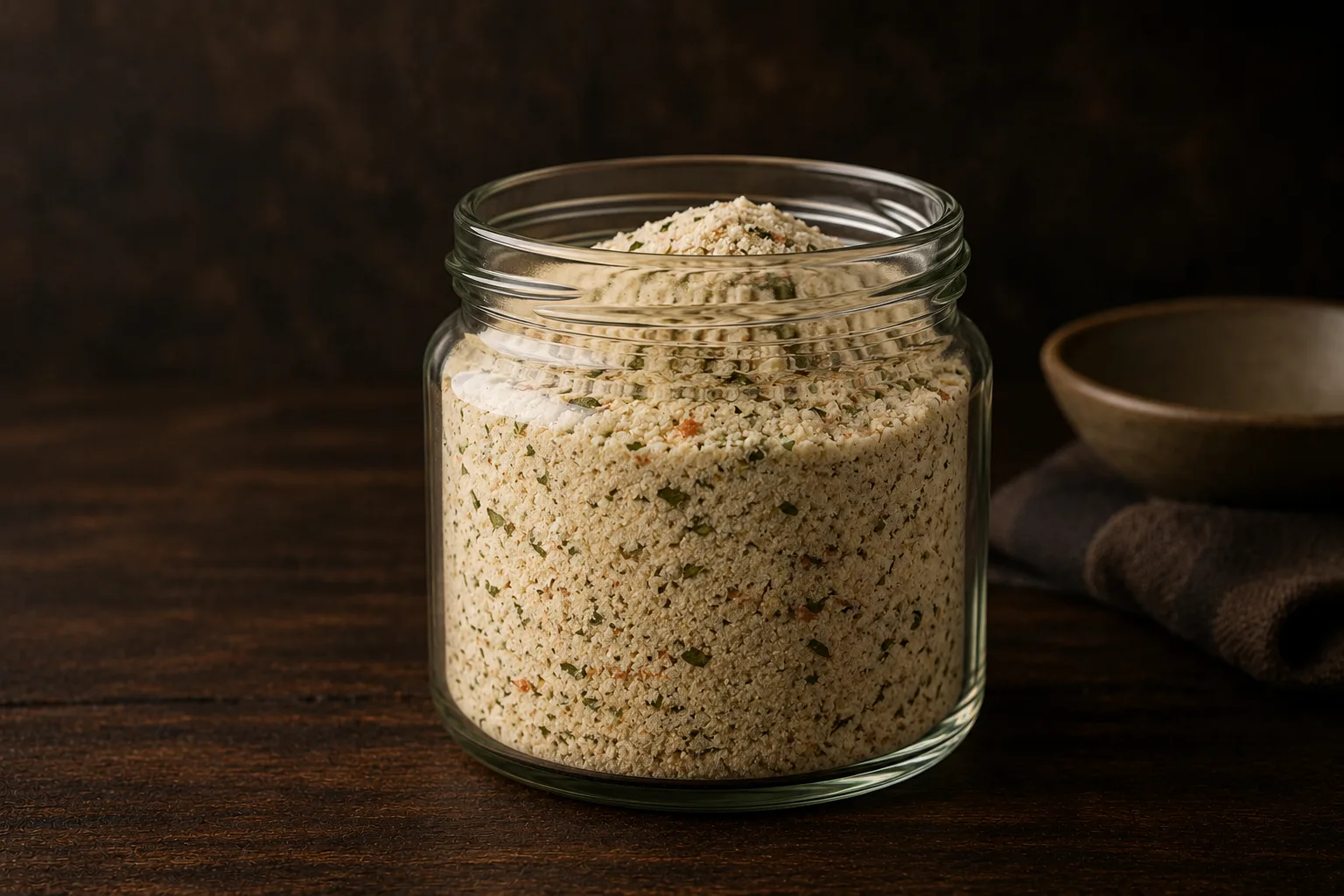
Fine whole-potato powder disperses in the dry blend, carries flavour and acts as a carrier for salt, spice and flavour systems in seasoning mixes.
A creamy Western body or a clear, brothy Chinese mouthfeel, with potato character adjusted by the whole-flour fraction and the viscosity window set by the pregelatinized share.
Functional parameters
Cold-water behaviour is set by the gelatinization degree of the pregelatinized fraction; solids, flavour and absorption come from the whole-potato flour. Parameters are verified by trial, not assumed.
A controlled gelatinization treatment lets the starch fraction disperse, hydrate, swell and build viscosity in cold or low-heat systems; the degree of gelatinization governs how much cold viscosity the powder develops (US 5830884).
Premix dry powders first, add slowly into a strong vortex, and let the pregelatinized particles wet individually — lumping starts when dry powder meets water without dispersion (buyer-FAQ dosing guidance).
Whole-potato solids absorb and hold water in the finished soup or sauce, supporting yield, mouthfeel and stability across holding, chilling and reheating.
Dehydrated whole flour (80–120 mesh typical) carries natural potato flavour and contributes the solids that give a sauce or broth its body and clean-label character.
Pregelatinized flour develops viscosity without cooking, so cold-blended and hot-fill systems behave consistently; whole flour keeps hydrating and releasing flavour through the cook.
Particle profile and bulk density set dosing volume, blending time and bag fill weight — relevant at the addition rates typical for soups and sauces (1–5 % by weight, illustrative).
Selection table
Reference direction only — confirm the ratio and grade with a laboratory or line trial under your water, temperature and shear.
| Finished product | Recommended ingredient | Parameter to watch |
|---|---|---|
| Cup / instant soup powder | Pregelatinized potato flour (+ whole flour for solids) | Cold viscosity, speed of build, dispersion |
| Wet soups & canned / retorted soups | Dehydrated potato flour or pregelatinized flour | Viscosity through retort, mouthfeel, water retention |
| Wet sauces & gravies (hot-fill) | Pregelatinized potato flour or whole flour | Hot viscosity, sheen, lump control |
| Dry gravy & sauce mixes | Pregelatinized potato flour | Cold dispersion, rapid viscosity, no cook step |
| Dry seasoning blends | Dehydrated potato flour (80–120 mesh) | Flavour carry, solids, absorption, dosing |
| Western cream base / Chinese broth base | Pregelatinized + whole flour or flakes | Body, mouthfeel, potato character |
Reference values only; contractual limits and test methods are fixed in the signed specification and verified by the lot COA.
Formulation FAQ
They play different roles in a soup, sauce or gravy formula. The pregelatinized potato flour fraction is heat-treated and dried, so it disperses and swells in cold water — that cold water swelling builds instant viscosity and body without a cook step, which makes it the classic instant soup thickener. The dehydrated whole potato flour (80–120 mesh typical) adds potato solids, natural flavour and water absorption, and it carries flavour through a dry mix. As a food ingredient supplier we recommend you premix both flours dry, then run a ratio trial (typically 40:60 to 60:40 pregelatinized:whole, illustrative) against your target viscosity and mouthfeel. Remember that the cold-water dispersibility and stickiness of the pregelatinized fraction depend on its gelatinization degree, so check the COA values before scaling up.
Lumps prevention starts before the powder meets the water. Premix the pregelatinized potato flour with the other dry ingredients of the dry mix first, then add slowly into a strong vortex or under high shear so that each particle wets individually — the cold water swelling happens in seconds, so a slow, dispersed addition gives a smooth instant soup thickener. Never dump the powder onto a still water surface: once a dry core forms it is very hard to dissolve. The same rule applies to hot gravy or sauce, where you can also slurry the flour in oil or a little cold liquid before adding. Ask your food ingredient supplier for the COA particle data and run a small dosing trial — dry premix, strong vortex and slow addition are the three steps we validate on our own soup line.
The gelatinization degree of the pregelatinized potato flour sets the ceiling: the higher the degree, the stronger the cold water swelling and the faster the viscosity builds, but also the sticker the texture can feel. Within that window, concentration, water temperature, pH, salts and shear all move the result — hard water and salt lower perceived viscosity, while acid can thin a sauce stabilizer system over time. Typical soup and sauce additions run about 1–5 % by weight (illustrative), and the whole potato flour share changes mouthfeel and solids more than viscosity. Run a small factorial trial in your own water and mixer, measure with a Bostwick or Brookfield instrument, and record the values on the lot COA so batches stay comparable.
In cold-blended or instant systems, the pregelatinized potato flour builds viscosity on its own through cold water swelling, while the whole potato flour hydrates slowly and mainly contributes solids and flavour — which is why instant soup thickener systems rely on the pregelatinized share. In cooked systems both fractions hydrate fully, so total viscosity tends to run higher and you should lower the pregelatinized share and adjust the water level. A hot-fill gravy or sauce behaves differently from a cold-blended dry mix: heat speeds hydration, but some systems thin out before the final set. Validate both temperature points in the same trial, and confirm the gelatinization degree on the COA so the cold viscosity target stays achievable.
The destination rule decides the contractual limit, and the lot COA proves it. USDA A-A-20032H references moisture ≤9.0 %, reducing sugars ≤4.0 % and SO₂ ≤500 mg/kg for flakes, and ≤9.5 % / ≤600 mg/kg for granules and instant types; EU 1333/2008 caps SO₂ at 400 mg/kg in dehydrated potato products — the strictest common target for Europe. For commercial supply, the SO₂ target, test method and sampling plan should be fixed in the signed specification and verified against the lot COA. MOQ and lead time are quoted per grade and destination; mention the required standard when you ask, and we will quote the matching pregelatinized potato flour or whole flour grade.
Use a pregelatinized potato flour as the instant soup thickener: its cold water swelling builds viscosity in seconds, so the soup body forms without cooking, and with correct dosing no lumps appear. The dosing rule is to premix the flour with the other dry mix ingredients first, then add it slowly into a strong vortex while stirring — lumps prevention is mostly about how the powder meets the water, not how long you stir afterwards. Start at 1–3 % by weight (illustrative) and raise in 0.5 % steps until the target viscosity is reached; if you use whole potato flour for extra solids, keep it under 2 % in an instant cup system or the powder may not fully hydrate. As your food ingredient supplier we also suggest testing with cold tap water first, because hot water accelerates swelling and can over-thicken an instant soup.
For sauces, gravies and cream bases the choice is about processing, not quality. Native starch needs heat to gelatinize, so it suits cooked, hot-fill gravy lines where the cook step does the work. Pregelatinized potato flour has already been gelatinized, so it works as a sauce stabilizer in cold-blended or instant systems, builds viscosity through cold water swelling, and can be added at the end to fine-tune the final viscosity without over-cooking. The trade-off: pregelatinized flour gives a shorter, softer texture and can feel slightly sticky at high levels, while native starch gives a longer, cleaner set — many formulas blend the two with whole potato flour for body. Test both at 1–4 % by weight (illustrative) in your sauce, check the gelatinization degree on the pregelatinized lot COA, and we can supply both grades with matching documentation from our China soup ingredient line.
MOQ is quoted by grade, packaging and destination — for pregelatinized potato flour, whole potato flour and flakes the trial MOQ starts around one pallet (illustrative) so you can validate on your own soup or gravy line before committing. Every batch ships with a lot COA covering moisture, reducing sugars, SO₂, particle size and cold water swelling / viscosity data, plus the certificates required for your destination (EU 1333/2008 or USDA A-A-20032H references where applicable). For dry-mix and instant-soup programs, we support direct manufacturing, technical documentation and repeat bulk supply. Send the finished product, target viscosity and required standard, and we will match the grade, send samples and confirm the COA template before your first order.
Authoritative references
Request a matched pair of pregelatinized and whole-potato flour samples and run the trial with your water ratio, mixer and cook profile.
Start a soups & sauces inquiry
Share the finished product, water addition, process and target viscosity — we return a formulation direction with comparable samples.
APPLICATION FIT · FORMULATION & LINE TRIAL
Application pages are most useful when the ingredient is evaluated under your real water ratio, mixing sequence, temperature, shear and holding time. Compare forms by the result they produce in the finished food, not by name alone.
Record texture, hydration or viscosity, colour, yield and processing stability during the trial. Use those results to select a grade and define the specification fields that matter to your line.
Define water addition, mixing, heat, shear and downstream process.
Measure the finished-product results that matter to the application.
Select the form and specification after a controlled side-by-side trial.