
Dehydrated whole-potato ingredient · Global bulk supply
Food-Grade Dehydrated Potato Flour
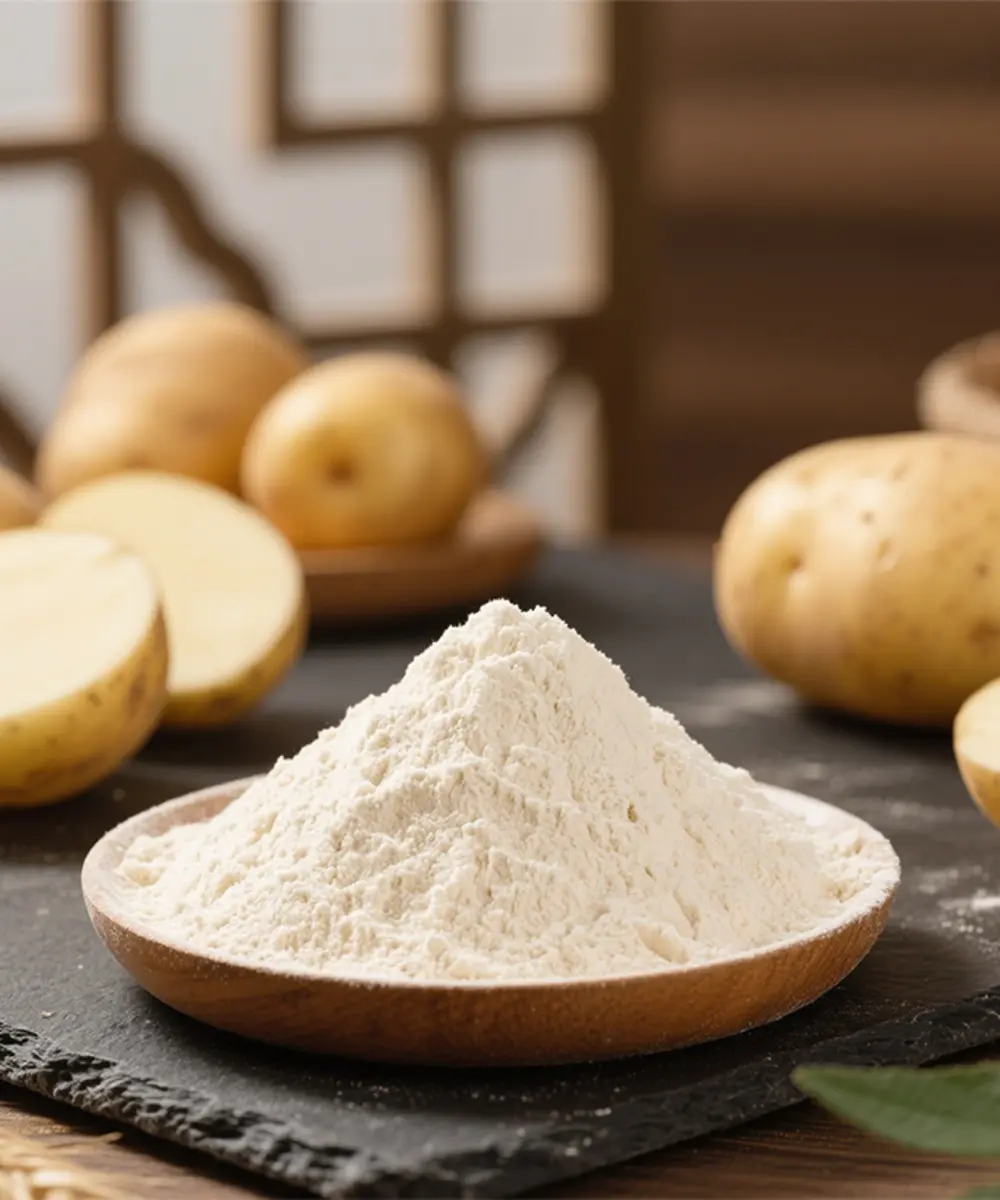
A fine, food-grade dried potato flour developed for hydration, dry blending and dependable industrial food production.
This low-moisture whole-potato powder brings characteristic potato flavour, cream colour, water absorption, viscosity and formulation body to bakery, snack, prepared-food, soup, sauce and seasoning systems.
01Food-Grade Dehydrated Potato Flour
Product overview
Whole-potato value. Consistent industrial results.
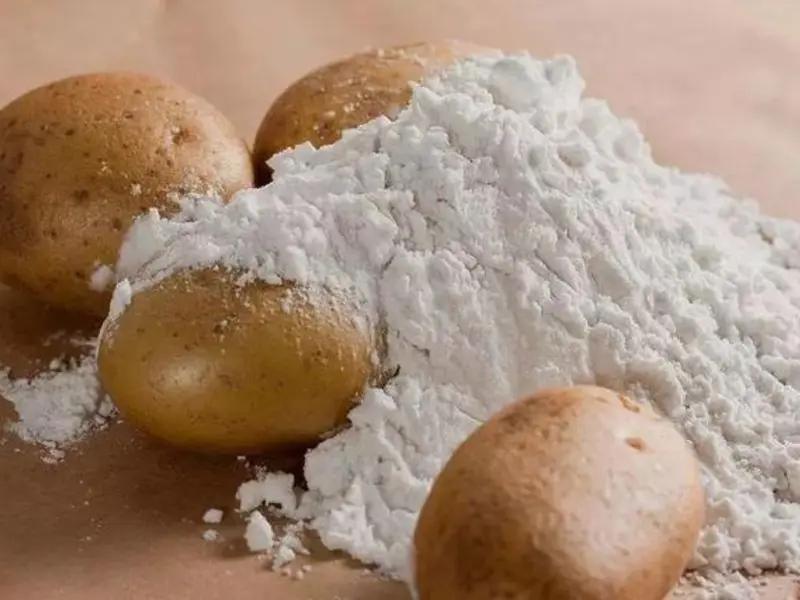
Food-grade dehydrated potato flour is made by preparing potatoes, removing water through controlled dehydration, then milling and sieving the dried material to a defined powder profile.
Also described as dried potato flour, dehydrated whole-potato powder or potato flour powder, it contains a broader range of potato solids than isolated potato starch. Functional performance is grade-specific: water absorption, rehydration rate, dispersibility, viscosity, bulk density and finished texture vary with process and particle distribution.
Ingredient naming & specification
How dehydrated potato ingredient names relate to purchasing specifications
Product names vary across markets. Compare product form, particle profile, hydration performance and the approved technical specification rather than relying on the sales name alone.
food-grade dehydrated potato flourdried potato flourdehydrated whole potato powderwhole-potato powderpotato flour powderdehydrated potato ingredientcontrolled dehydrationrehydration performancewater absorptionhydration ratedispersibilityviscosity developmentparticle sizemesh sizebulk densitymoisture controlbatch consistency
Typical commercial process
From fresh potato to low-moisture powder
Exact equipment and controls vary by manufacturer and grade. Confirm the actual process statement with the supplier.
Raw potato preparation
Selected potatoes are washed, inspected and prepared; peeling, trimming and cooking depend on the intended grade.
Controlled water removal
A managed dehydration stage reduces moisture while protecting the required colour, flavour and functionality.
Milling and classification
Dried material is milled and sieved to a defined particle profile for flow, handling and hydration.
Release and packing
Powder is packed in moisture-protective packaging and released against the agreed specification and lot COA.
Ingredient comparison
Flour, flakes, granules and starch are not interchangeable
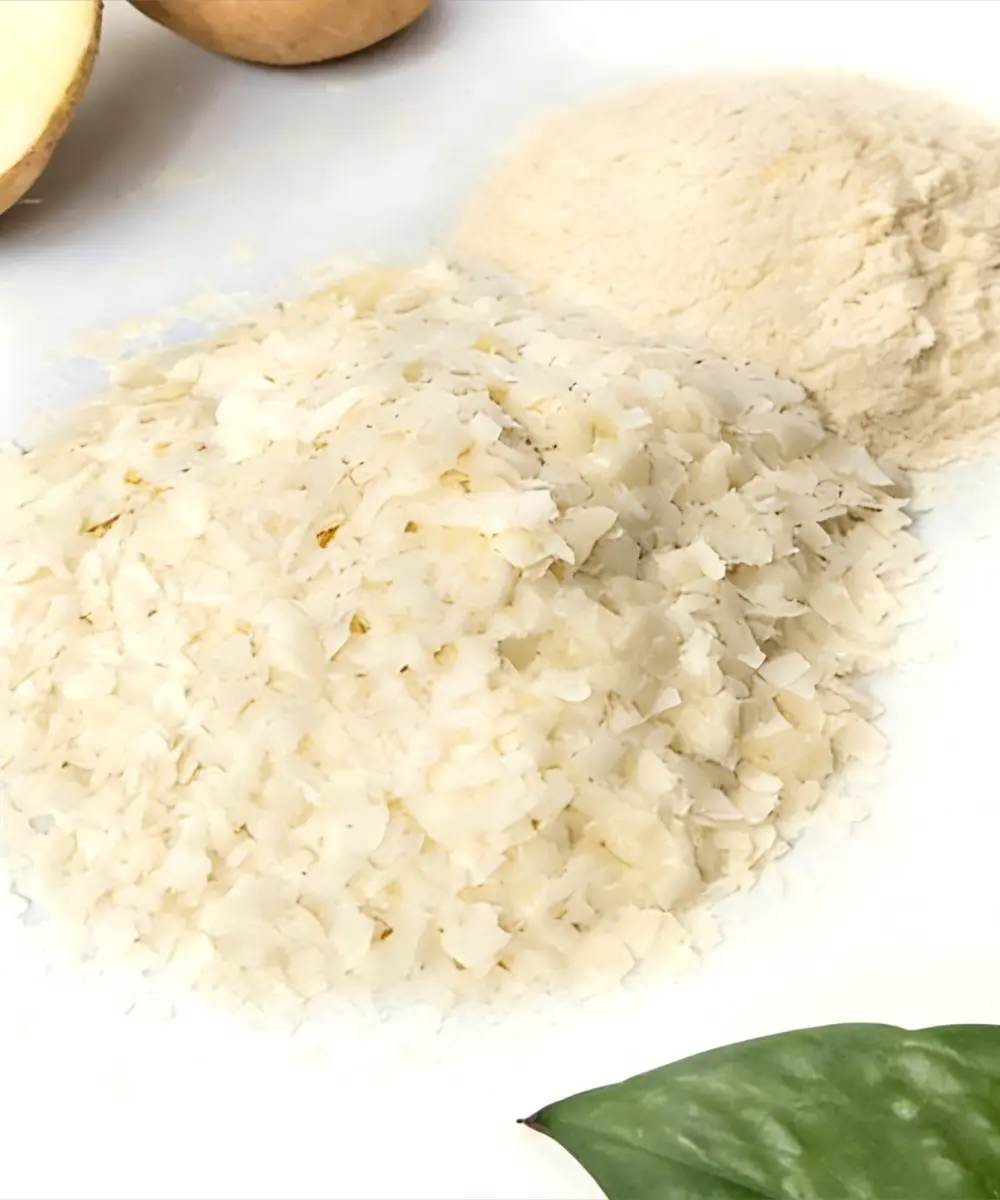
Potato flour
Fine milled dehydrated potato ingredient with typically high water absorption, viscosity and stickiness.
Potato flakes
Larger sheet-like dehydrated form offering different rehydrated structure and texture.
Potato granules
Granular format with more controlled hydration and generally lower viscosity than flour.
Potato starch
Isolated starch fraction—not whole dehydrated potato flour and not a one-for-one substitute.
Product performance
Define the powder by measurable processing results
Connect moisture, particle size, bulk density, flow, hydration and viscosity to the finished food—not appearance alone.
Controlled particle profile
Defined milling supports repeatable weighing, conveying, dry blending and dispersion.
Whole-potato character
Broader potato solids contribute characteristic flavour, cream colour, opacity and body.
Hydration functionality
Approve water absorption, hydration rate, viscosity and texture in the customer’s complete formula.
Buyer documentation
Specification, COA, ingredient statement, allergen information, packing and storage guidance support approval.
Industrial applications
One ingredient. Multiple production systems.
Match the grade to the formula, water addition, mixing order, thermal process and required finished-product result.
01
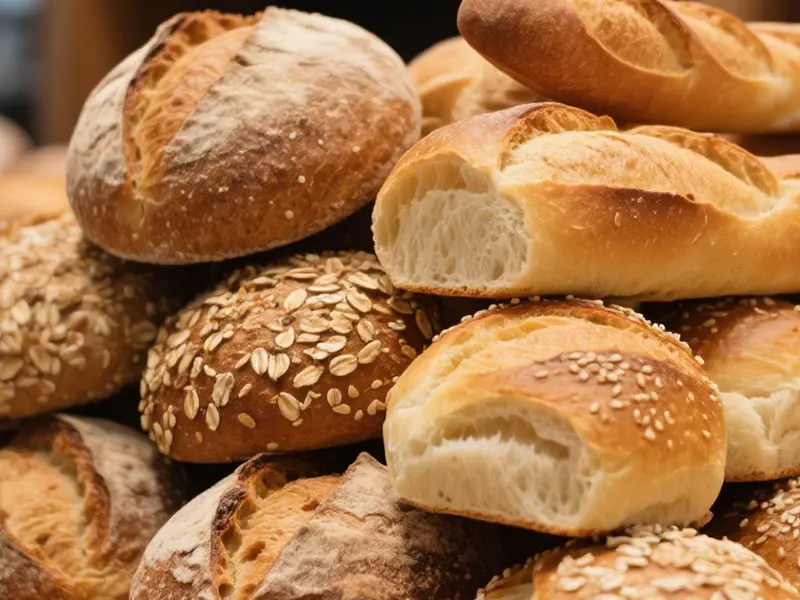
Bakery, bread & dough
Evaluate water addition, dough handling, browning, crumb softness and potato flavour in buns, breads, crackers and savoury doughs.
02
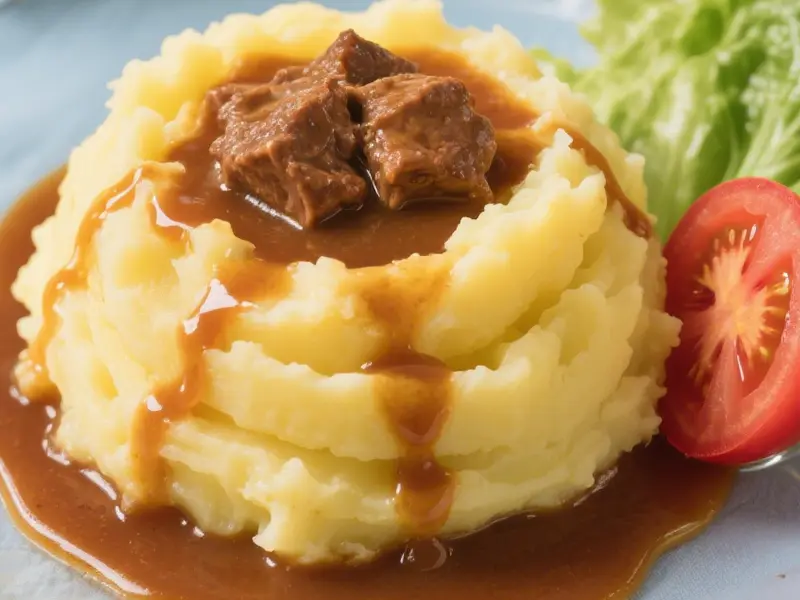
Mashed & prepared foods
Compare rehydration, smoothness, viscosity and holding in instant mash, fillings, croquettes and ready meals.
03
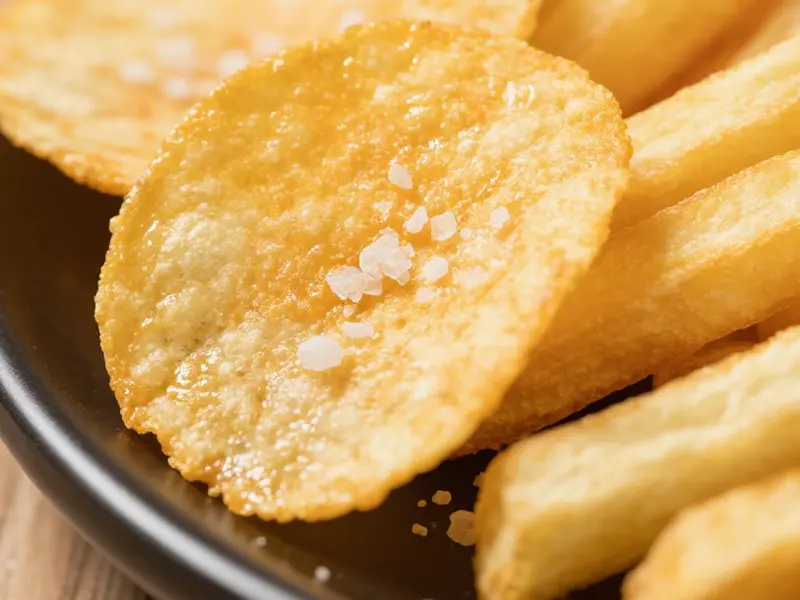
Snacks & formed products
Check mesh, moisture, sheetability or extrusion, colour, oil uptake, seasoning adhesion and crispness.
04
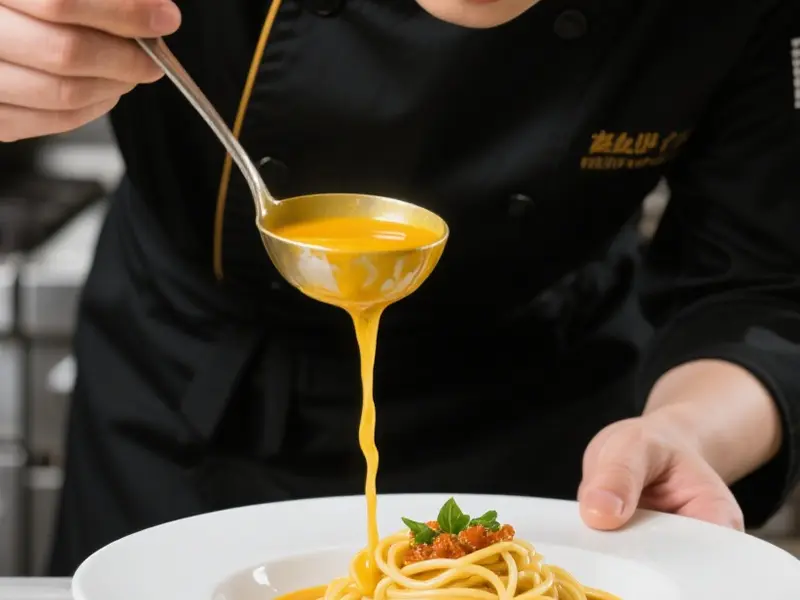
Soups, sauces & seasonings
Test dispersion order, shear, temperature, salt and holding time to achieve repeatable body without lumps.
RFQ reference
Typical product specification fields
Reference values help prepare an enquiry. Final limits, methods and acceptance criteria must appear in the signed specification and lot COA.
Get specification ↗| Parameter | Reference | Buyer note |
|---|---|---|
| Appearance | Fine, free-flowing powder | Visual / sensory |
| Colour | Cream to light yellow | Approved reference |
| Moisture | ≤ 10.0% reference target | Contract specification |
| Particle size | 80–120 mesh options | Application dependent |
| Rehydration | Grade-specific | Approve in formula |
| Bulk density | Declared by grade | Dosing and packing input |
| Microbiology | By agreed standard | Market dependent |
| Packaging | 20 kg / 25 kg bag | Custom by enquiry |
Illustrative RFQ reference only—not a contractual guarantee. Values vary by grade, factory, application and contract.
Buyer knowledge base
Common questions about dehydrated potato flour
Practical answers for food manufacturers, importers, distributors and private-label buyers.
01How is dehydrated potato flour different from potato starch, flakes and granules?+
Dehydrated potato flour contains a broader portion of whole-potato solids and normally contributes potato flavour, colour, solids and water absorption. Potato starch is the separated starch fraction and is selected primarily for viscosity or binding; flakes and granules are structured dehydrated products designed for different rehydrated textures. Compare them in the finished application because substitution by equal weight can change water balance, yield, flavour and process behaviour. When buying from a whole potato flour manufacturer, request the grade TDS covering moisture, loose bulk density, sieve or mesh range and a recent COA, and run a controlled side-by-side trial with your water, salt, fat and mixing equipment. The same name can hide different dehydration and milling histories, so approve the reference sample and the application result rather than the name alone.
02How does the dehydration and milling route influence food-grade potato flour?+
Raw-potato solids are cooked or otherwise prepared, dehydrated and milled, but the exact heat history and milling intensity determine cell damage, cooked notes, colour and functional response. Excess heat may darken flavour or colour, while aggressive milling can increase fines and change hydration. Buyers should approve moisture, colour, sensory reference, water absorption and particle distribution together, not moisture alone. Typical food-grade specifications also track loose bulk density and sieve retention, because these values influence dosing, bag fill and container planning. For import markets that cite US federal references, samples can be compared against the moisture and quality attributes described in USDA A-A-20032H for dehydrated potato, and additive use should be checked against destination rules such as EU 1333/2008 before approval.
03Should I choose 80 mesh, 100 mesh or 120 mesh dehydrated potato flour?+
A finer grade generally disperses faster and gives a smoother mouthfeel, but it may create more dust, absorb water faster and form lumps if addition is uncontrolled. Coarser material may flow differently and provide more visible potato character. For bakery, sauces, snacks or prepared foods, test at least two particle profiles and record mixer type, addition order, hydration time and finished texture before fixing the contractual sieve distribution. Confirm the loose and tapped bulk density and the moisture range for each mesh option, because these values decide volumetric dosing and bag fill. Ask the whole potato flour manufacturer for sieve curves and a representative COA, and start with a trial quantity within the MOQ before committing the full container.
04What information should I send before requesting a price for food-grade dehydrated potato flour?+
Please state your finished product, target function, current benchmark, process conditions, trial quantity, estimated annual demand, destination country and port. Add the required bag weight, pallet preference, label language, TDS, COA, HALAL or other approval documents. This allows the supplier to recommend a realistic grade and quote MOQ, FOB/CIF basis, lead time and container loading instead of giving an unusable headline price.
05How should I evaluate a sample before placing a bulk order?+
Use a written trial protocol and test the sample against your current approved material. Record sample lot, dosage, water ratio, water temperature, addition order, mixing speed, rest time, cooking or extrusion conditions, yield, texture, colour, flavour and process losses. Keep a retained sample and scale from laboratory to pilot and production trials; do not approve a full container only from appearance or a single beaker test.
06Which technical specification and COA items should I confirm?+
The signed specification should identify test method, unit and limit for critical items such as appearance, moisture, particle profile, bulk density, hydration or viscosity, colour, flavour, microbiological limits and relevant contaminants. The lot COA should show the actual batch results for the agreed release tests, not simply repeat specification limits. Buyers should also confirm product name, grade code, lot number, production date, shelf life and document version.
07How can I control batch-to-batch consistency after supplier approval?+
Approve a target specification together with a retained reference sample and application test. Compare incoming lots using the same methods and trend critical data rather than judging each COA in isolation; include moisture, colour, particle distribution, hydration, viscosity and sensory performance where relevant. If a result drifts, quarantine the lot, share photos and trial records, and complete a documented root-cause and corrective-action review before release.
08How are MOQ, bulk price, Incoterm and lead time confirmed?+
MOQ and price depend on grade, customization, bag and pallet format, order frequency, destination, documents and whether the shipment is LCL, 20-foot or 40-foot FCL. Ask the quotation to state currency, validity, net weight, Incoterm such as FOB or CIF, loading quantity, production lead time, payment terms and what freight or customs costs are included. Trial orders of 1–5 MT may require a separate packing and logistics assessment from regular container supply.
09What packaging, storage and shelf-life controls are important?+
Confirm bag construction, food-grade inner liner, net weight, heat sealing, pallet protection, label information and container moisture control. Store sealed product in a cool, dry, clean and odour-free warehouse away from walls, floor moisture, heat, pests and chemicals; use FIFO or FEFO according to the declared shelf life. Once opened, reseal the liner and record the opening date because dehydrated potato ingredients can absorb humidity and odours.
010Which food-safety certificates and export documents should an overseas buyer request?+
Request current copies of the supplier’s applicable food-safety certification, such as FSSC 22000, and HALAL certification when required by the market or customer. Verify the legal entity, manufacturing site, product scope, certificate number, issuer and expiry date rather than relying on a logo. Shipment documents may include commercial invoice, packing list, bill of lading, certificate of origin, health or sanitary documents and lot COA, subject to destination and contract.
011What should I do if a delivered lot does not meet the approved requirement?+
Segregate the goods and avoid using or reworking them until the impact is assessed. Send the supplier the lot number, quantity affected, photos, seal and packaging condition, COA, storage record, sampling method, test report and application-trial evidence. Agree on re-test rules, third-party laboratory use, disposition and corrective action in writing; traceability should connect raw material, production, packing and shipment records.
Start a product discussion
Send your process, volume and destination.
Describe the finished food, water addition, target texture and current benchmark to receive a relevant grade recommendation and comparable quotation.
Request a product proposal ↗PRODUCT APPROVAL · SPECIFICATION & APPLICATION
Product approval: Food-Grade Dehydrated Potato Flour for Food Processing
Use this section to verify whether the product form matches your formulation and line conditions. Focus on measurable properties such as hydration, particle size, bulk density, reducing sugars where relevant, colour and microbiological requirements.
Before approval, compare the sample with the current TDS and lot COA, then record the agreed limits in the purchase specification. Packing, MOQ and delivery terms can be confirmed after the technical fit is established.
Application fit
Check the product against the finished product, dosage and process.
- dehydrated potato flour
- food-grade specification
- whole potato flour
- supply continuity
Specification review
Review the measurable attributes used in sample and quality approval.
- bulk supply planning
- water absorption performance
- potato flakes rehydration
- particle size and mesh
Approval & supply
Link the approved grade to documents, packing and commercial supply.
- potato flour for dry mixes
- potato flour for bakery
- potato flour for soups
- sample evaluation
Product approval checklist
ApplicationDosage / processSample testTDS / specificationLot COAPacking & supply