
Can the flake remain visible?
Inspect the dry ingredient before mixing.
- Flake/fines distribution
- Oversize and pan fractions
- Colour and black specks
- Batch-to-batch retained sample
Application File 07 · Groundbait Manufacturing
A technical selection page for groundbait producers evaluating visible flake release, controlled cold-water viscosity, progressive hydration and kneading tolerance—not a fishing-catch claim.
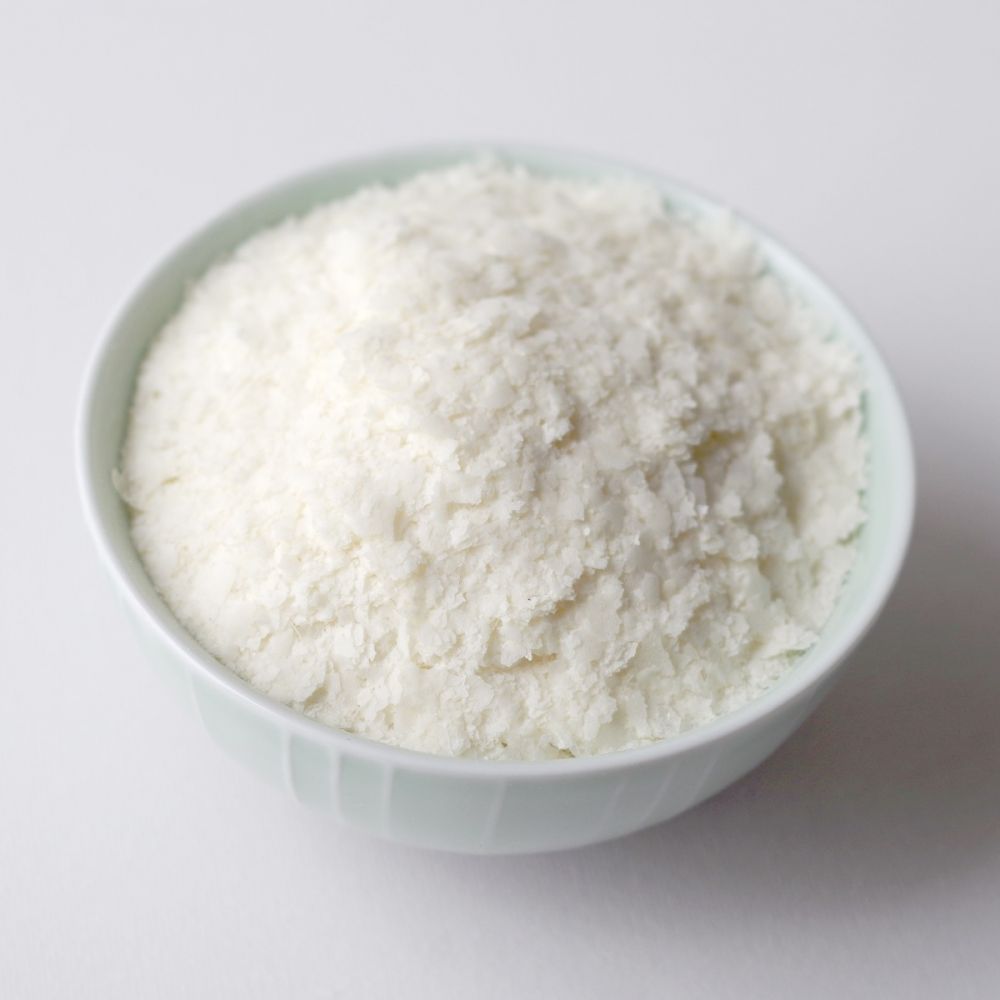
Three gates before a bait formula reaches production
Chinese potato-flake suppliers describe the ingredient as a way to influence water absorption, bait density and dispersion. A buyer still needs a controlled formula trial because grade, water ratio, compression and the full recipe change the result.
Inspect the dry ingredient before mixing.
Low cold-water viscosity is a central screening direction for state-type bait.
Record the first visible release, descent, retained structure and final break-up under one defined vessel test.
Initial Purchase Screen
These figures are current company specification references for initial discussion. The approved specification must be confirmed in the current TDS, COA, sample and contract.
| Parameter | Current specification reference | Why a bait buyer checks it |
|---|---|---|
| Particle structure | 20–40 mesh coarse direction | Supports visible flake separation; request a sieve distribution rather than a single mesh label. |
| Moisture | 6–8% | Affects storage, dosing by mass and the as-received versus dry-basis comparison. |
| Loose bulk density | 220–250 g/L | Influences volumetric dosing, pack fill and finished-bait density. |
| Cold-water behaviour | Controlled, application-tested | No universal viscosity number is stated; instrument, solids, water and temperature must be fixed. |
| Packaging | 25 kg industrial bag | Confirm inner liner, pallet option, label language and container plan before ordering. |
Reference only. Mesh does not predict dispersion by itself; damaged cells, fines, formula composition and kneading energy also matter.
One video, four recorded checkpoints
The image and video below document one bench observation. They are evidence of that sample under that setup, not a universal guaranteed break-up time.
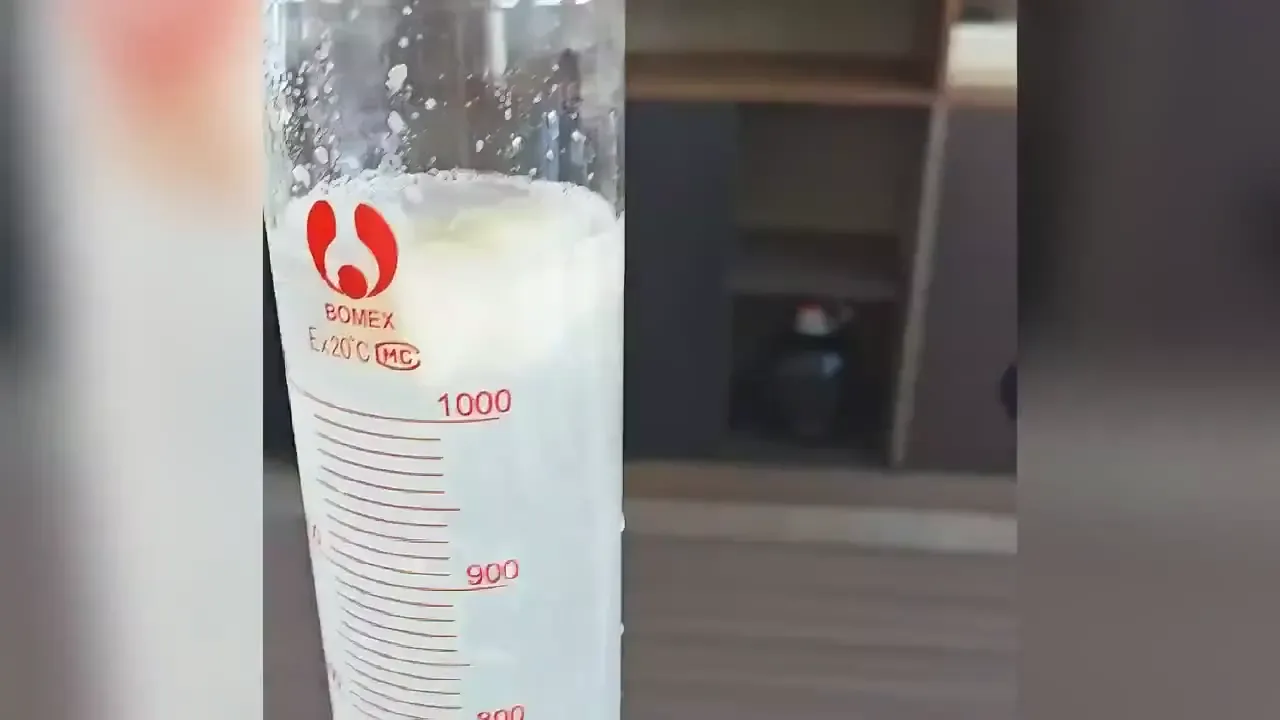
The frame is retained from the same test sequence used for the timing observations.
The video is not downloaded until the visitor presses play, reducing initial bandwidth and server/CDN contention.
Use particle direction to design the trial
These are formulation directions, not claims that one mesh is universally best. Screen at least two grades in the complete recipe.
Useful as an initial direction where a strong visible-flake effect and faster layered release are required.
A middle direction for formulas that need a balance between structure, mixing and progressive dispersion.
A finer direction for more uniform dry blends; verify whether reduced visible flake structure still meets the product concept.
A five-step sample approval route
Use the same records at supplier screening, pilot trials and repeat-order review.
Target fish, bait type, formula function, water conditions and required release window.
Record lot, packaging condition, moisture, mesh distribution and retained control.
Fix water ratio, temperature, mixing order, rest time and kneading energy.
Video the same vessel test and record release, descent, retention and final structure.
Link the accepted sample to the TDS, COA, lot rules, packaging and commercial contract.
Buyer questions before bulk supply
Short answers for manufacturers, distributors and private-label groundbait teams.
No. Mesh is one variable. Fines, cell damage, binders, water ratio, compression and other ingredients can speed or slow release.
No. It belongs to the displayed sample and setup. A contractual performance limit needs a jointly approved formula, procedure, equipment and acceptance rule.
Share the bait type, target particle appearance, desired release window, current formula, water conditions, pack requirement, estimated volume and destination.
Not as a general rule. Potato flakes contribute solids, hydration and structure, but the complete binder system must be validated in the finished recipe.
Request the current TDS, COA, allergen/GMO statements, food-safety certificates, packing details and any destination-specific documents required for the shipment.
Application context checked against a Chinese potato-flake producer's published fish-bait use description. Page structure, wording, data boundaries and test interpretation are independently developed.
Send the finished bait type, target release behaviour, preferred particle range, sample quantity, packaging requirement, estimated annual volume and destination market.
Start a bait-grade sample review
Share bait type, release target, particle range, sample quantity, volume and destination — our technical team will prepare the sample and specification.
PRODUCT APPROVAL · SPECIFICATION & APPLICATION
Use this section to verify whether the product form matches your formulation and line conditions. Focus on measurable properties such as hydration, particle size, bulk density, reducing sugars where relevant, colour and microbiological requirements.
Before approval, compare the sample with the current TDS and lot COA, then record the agreed limits in the purchase specification. Packing, MOQ and delivery terms can be confirmed after the technical fit is established.
Check the product against the finished product, dosage and process.
Review the measurable attributes used in sample and quality approval.
Link the approved grade to documents, packing and commercial supply.