
Grade Matching
Recommendations based on finished product and process
Application-Specific Potato Flour · Grade Matching
One raw material, many jobs. Application-specific grades tune particle profile, hydration, colour, reducing sugars and water absorption to the finished product and the line that makes it.
For snack, bakery, instant-food, sauce, prepared-food and functional-binding teams that need a grade selected for the process, not a generic powder.
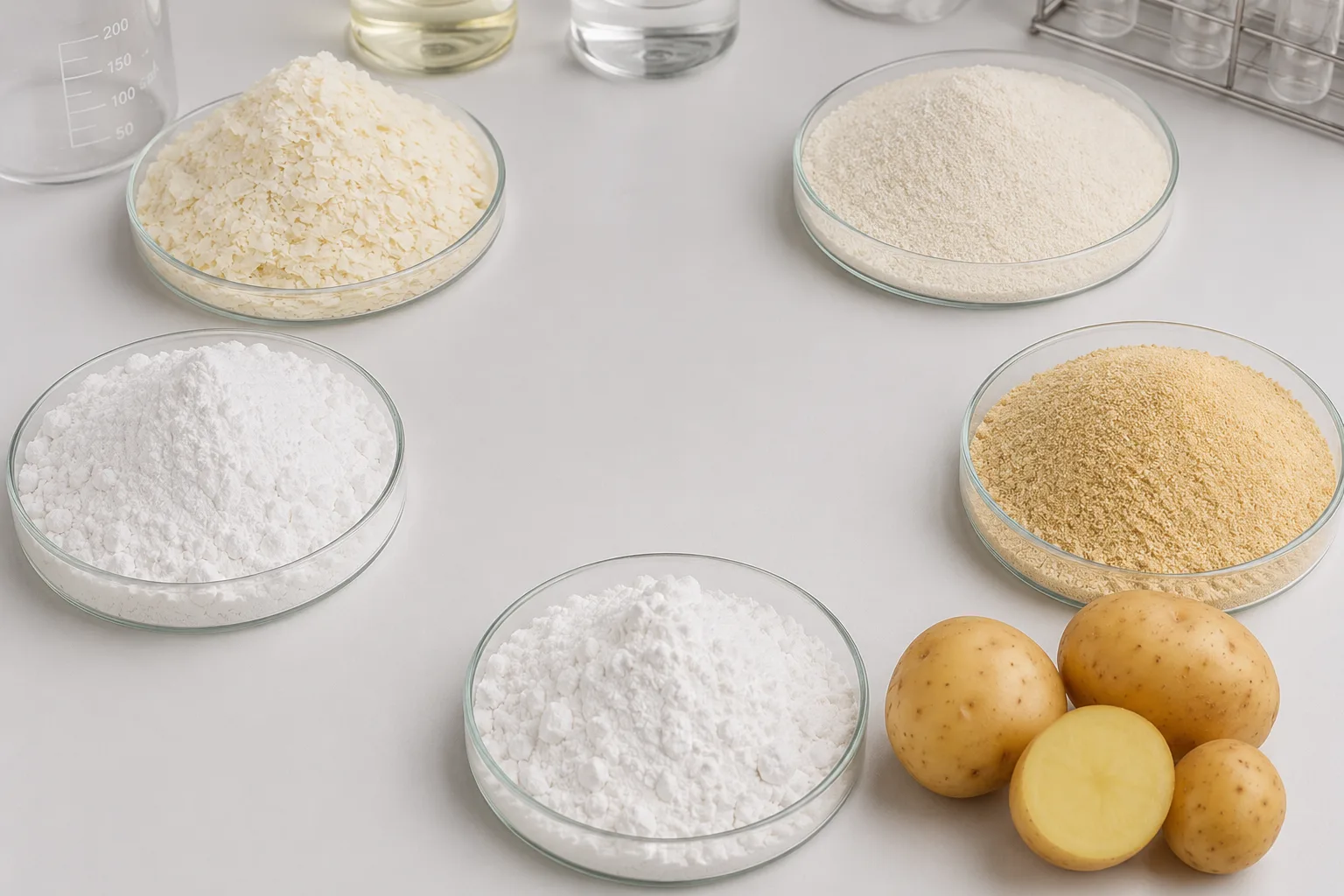 GRADE MATCHING
Recommendations based on finished product and process
Flour, flake or granule profile per application
Hydration, heat and shear behaviour matched to the line
Grade-specific fields, references and COA
Lot-controlled production output
Module 02 — Grade Families
Each family names the finished product it was designed for. Confirm the exact limits in the signed specification and lot COA.
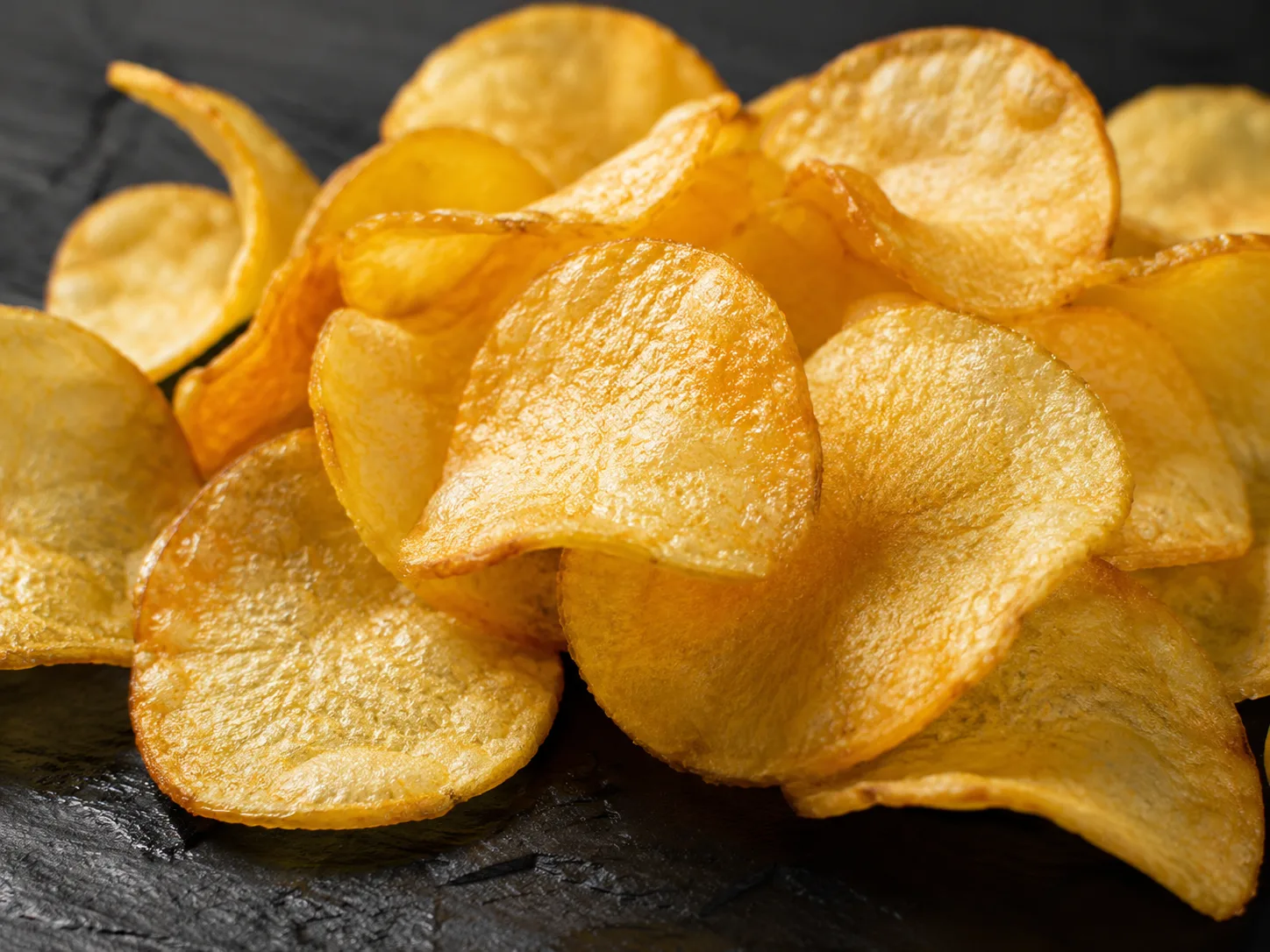
Reducing sugar and fry-colour direction, flake or granule body, fines controlled for dough consistency.
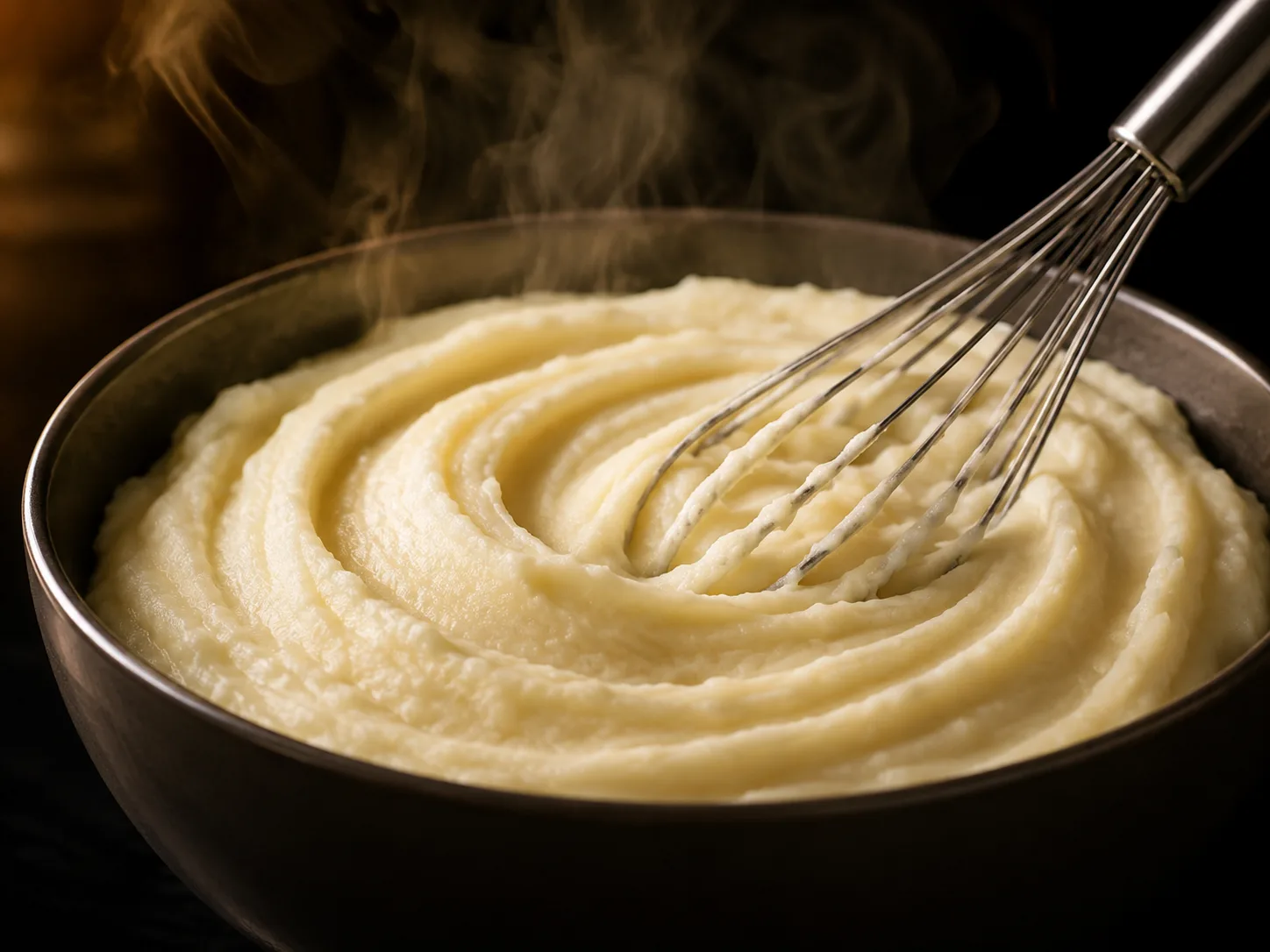
Fast rehydration, low pastiness, uniform reconstituted texture for retail and industrial mash.
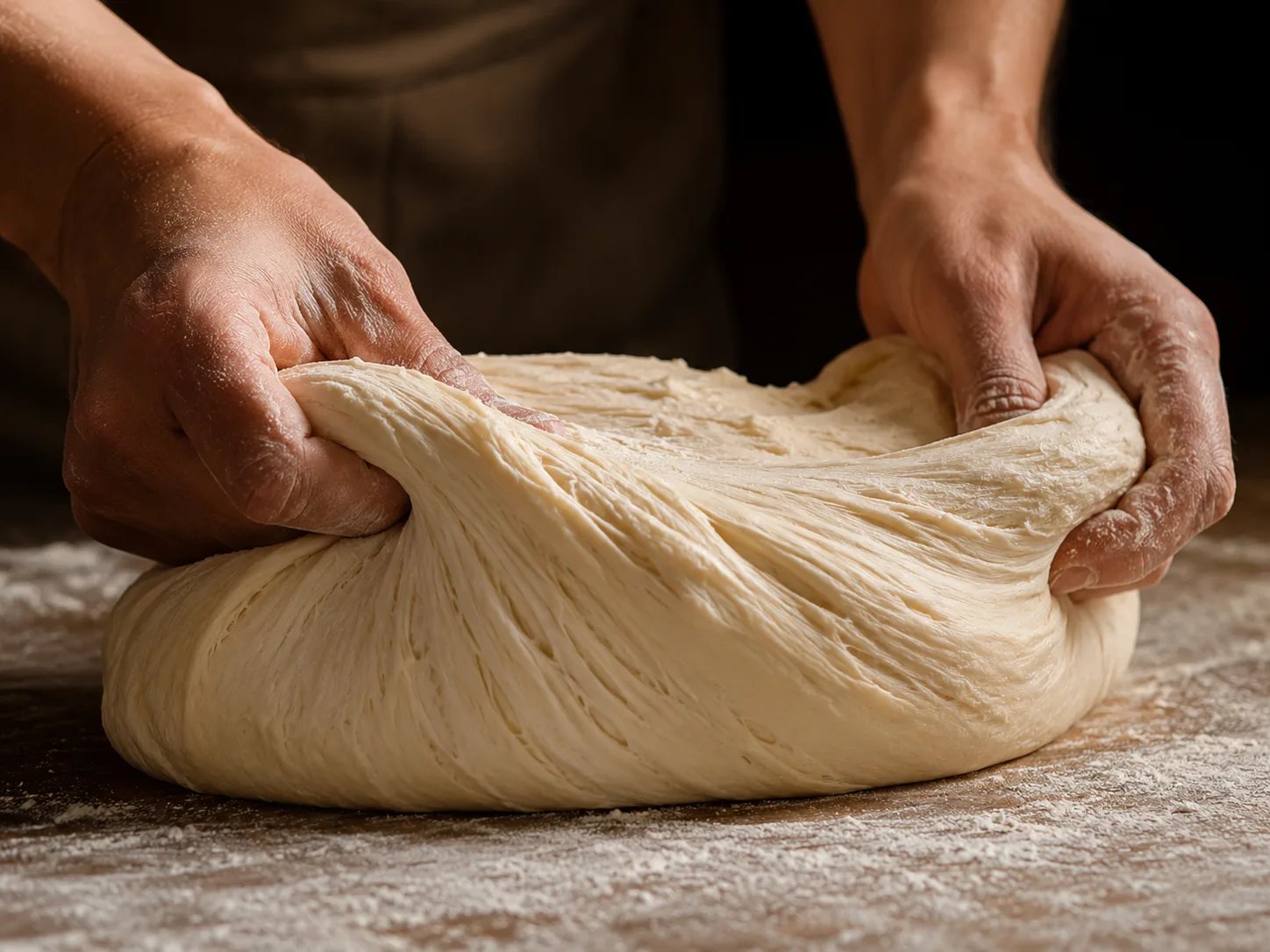
Moisture retention, softer crumb, mild flavour at controlled addition levels.
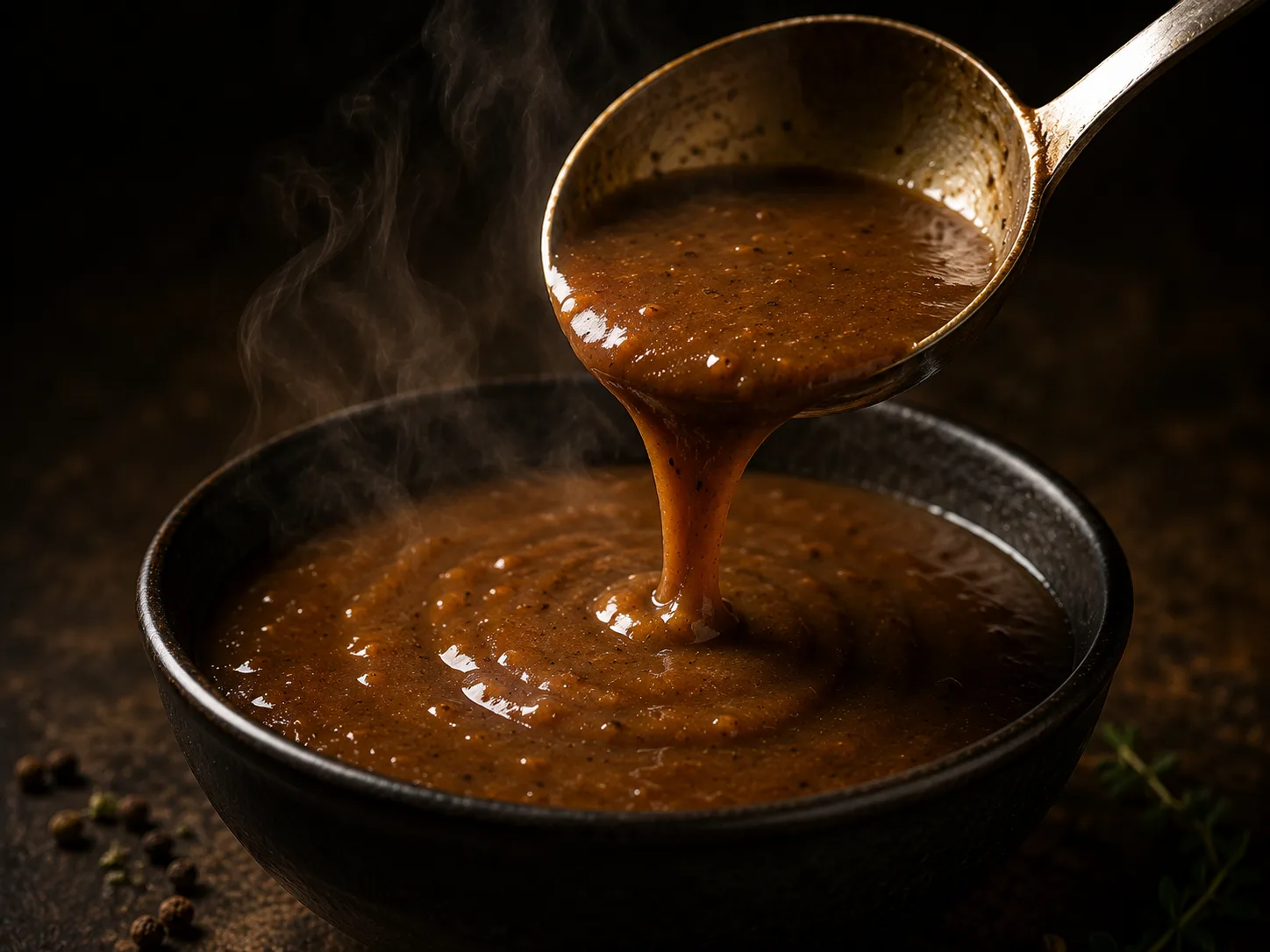
Rapid dispersion, cold or hot hydration, viscosity build and lump control in mixing systems.
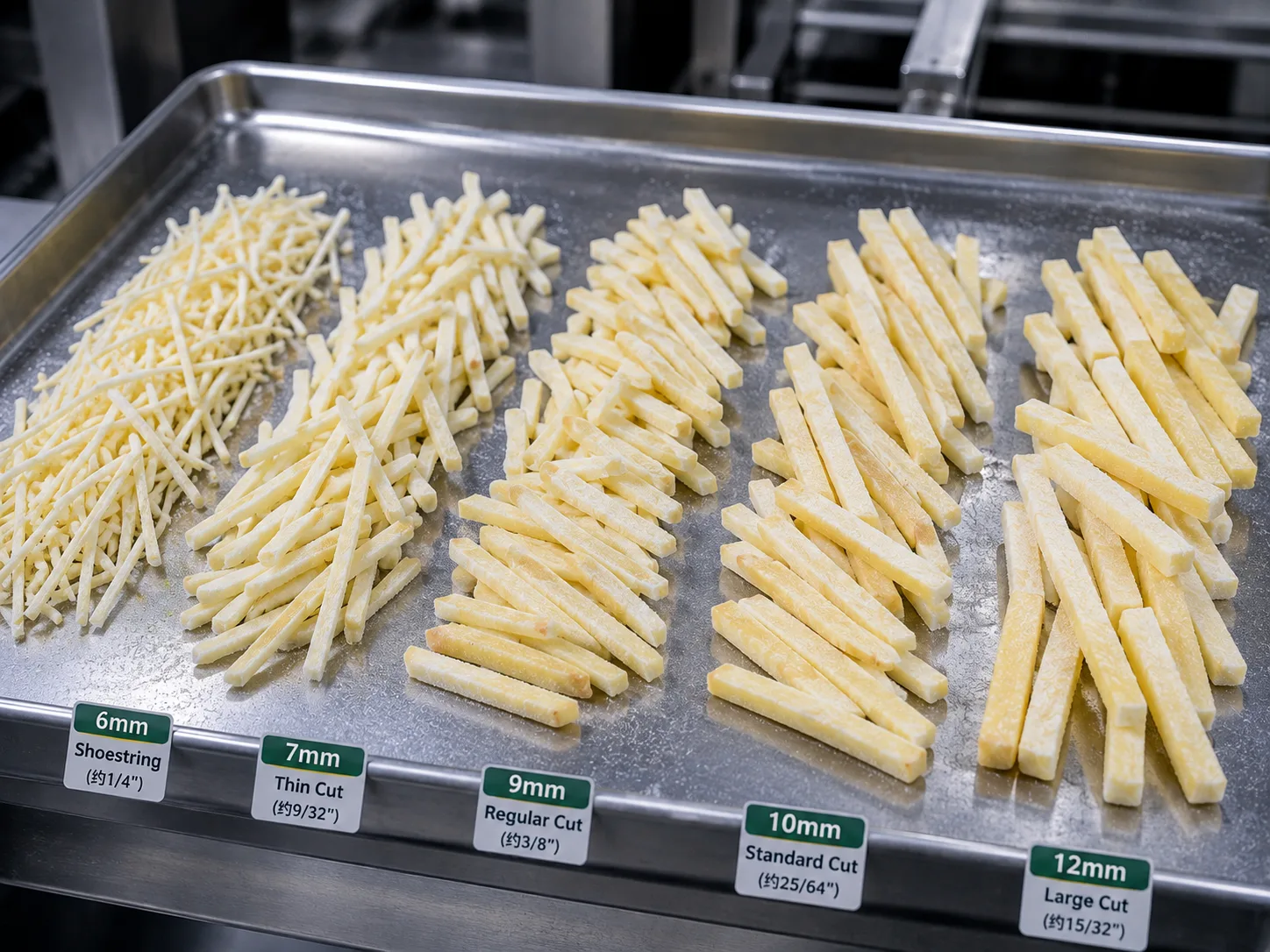
Water binding, structure and freeze–thaw stability for high-moisture and shaped lines.
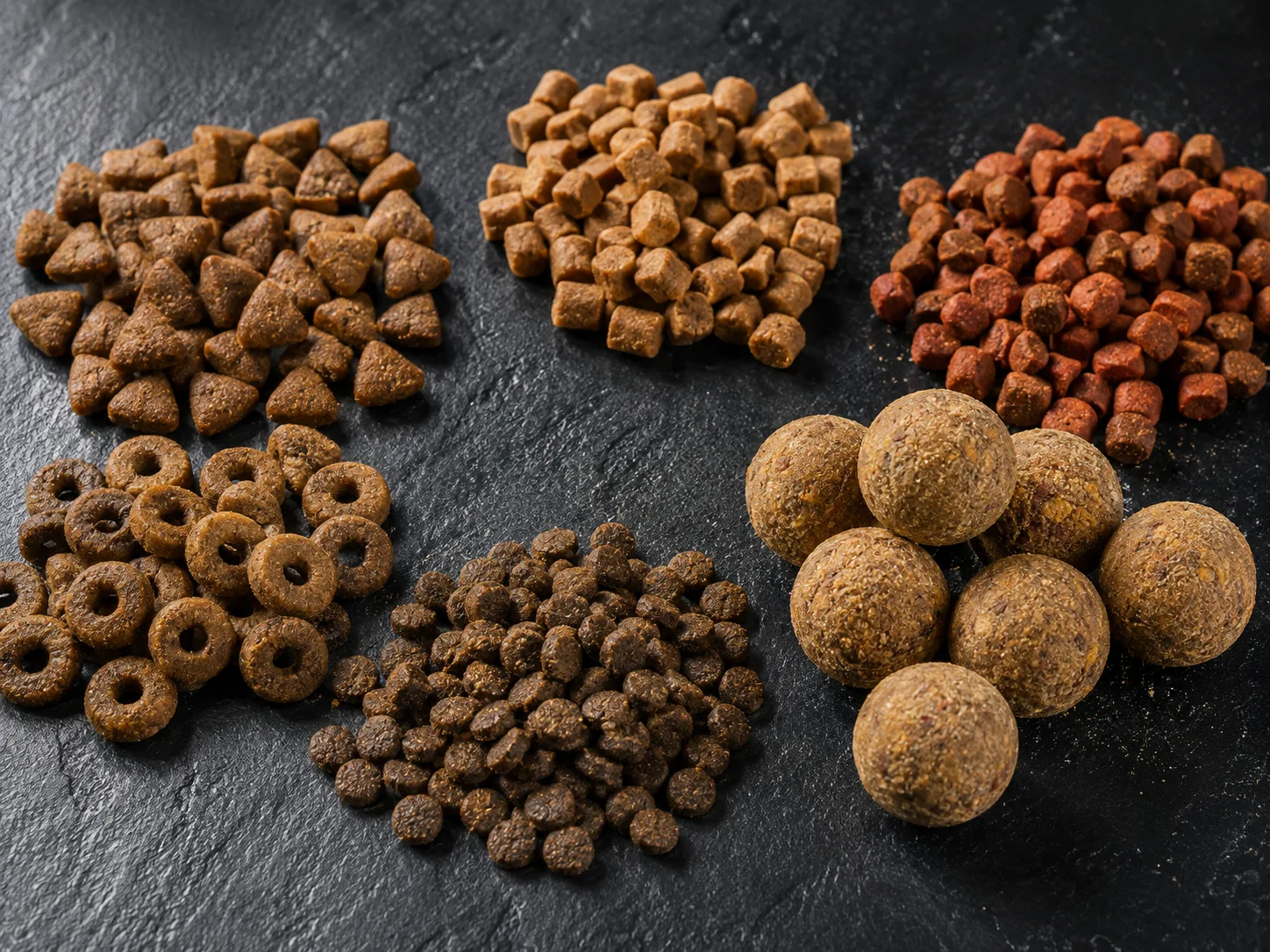
Controlled hydration, fines and structure for extrusion, pressing and water-release performance.
Module 03 — How Grades Are Matched
The same application can need different grades on different lines. Send these four inputs and receive a grade recommendation with comparable samples.
What is being made, and what role must the potato ingredient play in the formula?
Water ratio, temperature, mixer type and addition order define the hydration behaviour required.
Frying, baking, retorting, freezing or extrusion changes what the grade must survive.
Texture, colour, yield, documents and destination standards fix the specification fields.
Module 04 — Reference Specification Fields
Reference values follow the USDA A-A-20032H basis for dehydrated white potatoes. Final limits, test methods and acceptance criteria are fixed in the signed specification.
| Field | Typical Reference | Why It Matters |
|---|---|---|
| Moisture | Flakes ≤ 9.0% · Granules/mash ≤ 9.5% | Shelf stability, weight basis and long-distance shipment |
| Reducing sugars | ≤ 4.0% reference | Fry or bake colour, browning and flavour development |
| Sulphite as SO₂ | ≤ 500–600 mg/kg reference; EU 400 mg/kg max | Destination additive compliance |
| Particle profile | Flour 80–120 mesh · flakes · granules | Dosing, dispersion and finished texture |
| Water absorption / rehydration | Application-matched | Water balance, yield and mixer behaviour |
| Microbiology | APC <100,000 CFU/g · Yeast & mould <100 CFU/g | Food-safety release per batch COA |
Destination rules apply, e.g. EU Regulation (EC) 1333/2008 limits sulphur dioxide/sulphites (E 220–228) to 400 mg/kg (as SO₂) in dehydrated potato products.
Module 05 — B2B Technical FAQ
Answers for R&D teams, procurement managers and food technologists comparing application grades.
Application-specific potato flour uses controlled particle profile and process targets to match dehydrated whole-potato material to a defined functional job, so the potato flour grade is chosen for the process, not as a generic powder. Our grade families include snack grade for fabricated chips and formed snacks, instant mash grade for retail and industrial mashed potato, bakery grade for bread and dough systems, sauce and dry-mix grade for soups, sauces and gravies, binding grade for frozen and formed foods, and feed and bait grade for pet food and bait mixes. Each potato flour grade carries its own target for particle size mesh, water absorption, reducing sugars and colour, and the exact limits are fixed in the signed specification and lot COA.
Start with the finished product and the role whole potato flour must play in the formula, then match the potato flour grade to that role. Snack production needs a snack grade with controlled reducing sugars for predictable fry colour; instant mash lines need an instant mash grade with fast rehydration and low pastiness; bakery systems benefit from a bakery grade that holds moisture without dominating flavour; sauces and dry blends suit a sauce dry-mix grade that disperses quickly; and high-moisture formed products call for a binding grade. Send the finished product, water ratio, mixing temperature and target texture, and the supplier returns a grade recommendation with comparable samples for application-specific potato flour trials.
Regular whole potato flour is a general-purpose powder with one particle profile, while application-specific potato flour grades tune particle size mesh, water absorption, reducing sugars, colour and hydration behaviour to a named finished product. The snack grade, instant mash grade, bakery grade, sauce dry-mix grade, binding grade and feed and bait grade each fix different limits, so swapping one potato flour grade for another at equal weight can change water demand, yield and mixer load. That is why buyers should compare grades in the real line and approve a grade, not just a specification sheet, before commercial ordering.
For dehydrated whole potato flour the reference basis is USDA A-A-20032H: moisture should be ≤ 9.0% for flakes and ≤ 9.5% for granules or mash-type flour, reducing sugars ≤ 4.0%, and sulphite as SO₂ within the 500–600 mg/kg reference — while EU Regulation (EC) 1333/2008 caps SO₂ at 400 mg/kg for dehydrated potato products, so check the destination rule. Particle size mesh is written as a full sieve distribution (flour 80–120 mesh, or flake and granule profiles), and water absorption is agreed application-matched because it drives water balance, yield and mixer behaviour. Every batch ships with a COA covering these fields plus microbiology, and the final limits are fixed in the signed specification.
Two lines making the same finished product can still need different potato flour grades because water ratio, mixer type, addition order, shear, fry or bake temperature and holding time all change how the flour must hydrate and behave. A high-shear mixer can tolerate a coarser particle size mesh, while a low-shear or cold-fill line may need a finer, fast-dispersing profile; a short fry time needs tighter reducing-sugar control. This is why application-specific potato flour selection records the actual process conditions, and why suppliers should document the specification fields for each candidate grade used in the same application.
Send the finished product, water ratio, mixing temperature, process and target texture, and our technical team can recommend comparable candidate grades and samples — typically two candidate potato flour grades per application. Run the trial with the same mixer, addition order, water quality and target moisture as production, and record hydration time, water absorption, dough or mash behaviour, colour and yield against the approved reference. Confirm trial volume, sieve distribution and the COA fields before scale-up; a well-run application-specific potato flour comparison trial usually settles the grade in one or two rounds.
For application-specific potato flour grades, commercial MOQ depends on grade, packing and loading plan; mixed-grade loading can be discussed before production. Every lot ships with a COA covering moisture, reducing sugars, SO₂, particle size mesh, water absorption and microbiology, and export documents are prepared according to the destination and can include the commercial, origin, quality and compliance documents required for the shipment. Confirm trial volume, packing, pallet pattern and document lead time in the RFQ so production slots and container space can be planned.
Pregelatinized potato flour absorbs water rapidly and builds viscosity, which is exactly what binding, feed and bait grades exploit: binding grade holds moisture and structure through freeze–thaw in frozen and formed foods, while feed and bait grade controls hydration and water-release for extrusion, pressing and bait performance. Water absorption should be agreed application-matched in the specification, because too high can make dough sticky or pasty and too low can weaken binding or water-release. For any grade, confirm the COA fields and run a line trial — request the relevant pregelatinized potato flour data sheet plus comparable samples for whole potato flour for snacks, bakery, instant mash, sauces and formed foods.
Tell us the finished product and process; we return a grade recommendation with comparable samples and documents.
Start an application-grade inquiry
Share your finished product, water and process conditions, target result and volume.
PRODUCT APPROVAL · SPECIFICATION & APPLICATION
Use this section to verify whether the product form matches your formulation and line conditions. Focus on measurable properties such as hydration, particle size, bulk density, reducing sugars where relevant, colour and microbiological requirements.
Before approval, compare the sample with the current TDS and lot COA, then record the agreed limits in the purchase specification. Packing, MOQ and delivery terms can be confirmed after the technical fit is established.
Check the product against the finished product, dosage and process.
Review the measurable attributes used in sample and quality approval.
Link the approved grade to documents, packing and commercial supply.