
Factory Direct
Manufacturer-direct supply and technical coordination
Potato Flakes · Industrial Grade
High-quality dehydrated potato flakes engineered for fast rehydration, stable texture, natural potato flavor, and reliable batch consistency.
Designed for snack factories, instant mashed potato producers, soup and sauce processors, bakery plants, frozen food manufacturers, and industrial food formulation teams.
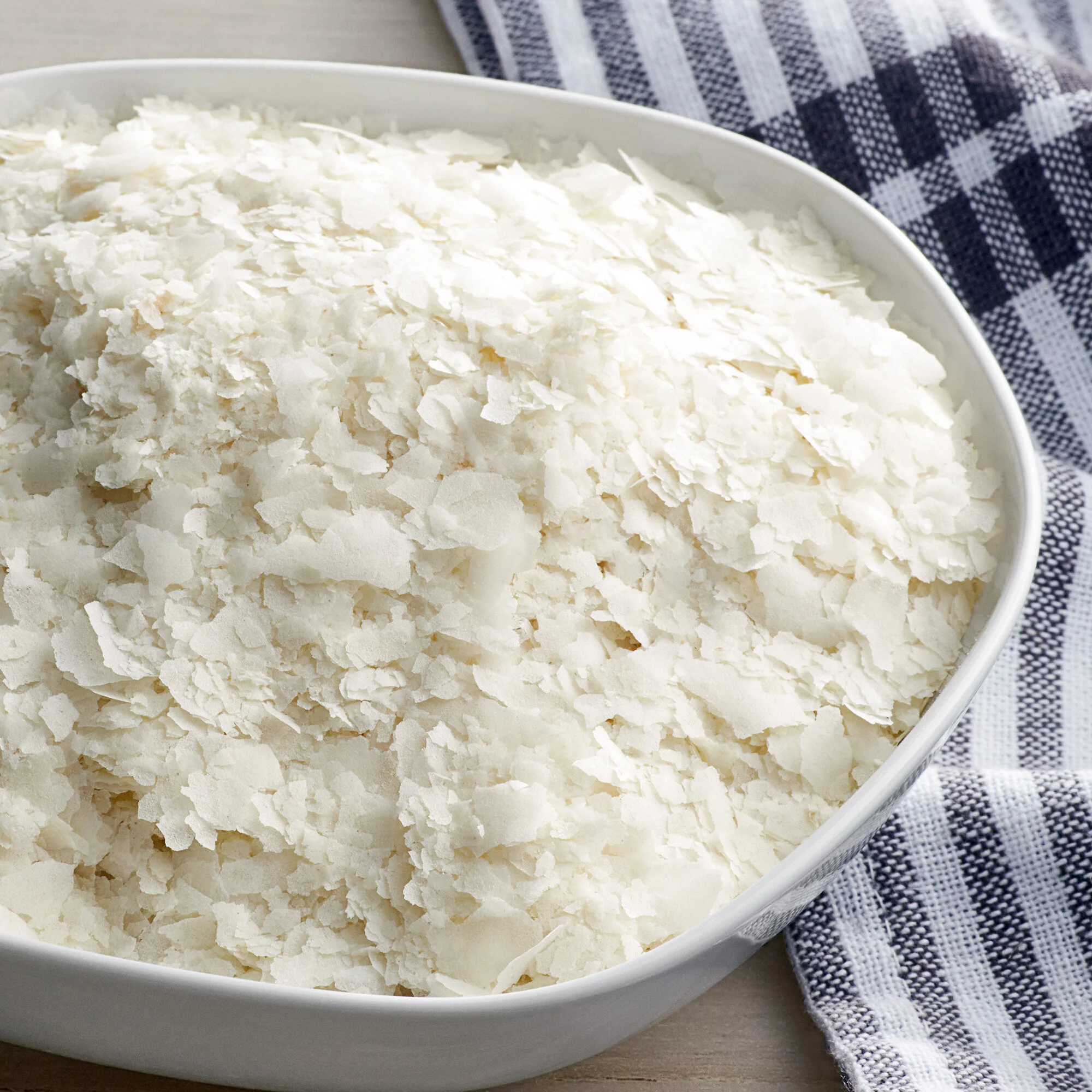 100% FACTORY DIRECT
Manufacturer-direct supply and technical coordination
Smooth hydration for industrial lines
Clean-label potato character
Repeatable finished-product results
Lot-controlled production output
Module 02 — TDS Summary
Our potato flakes are manufactured for industrial food systems where rehydration speed, texture stability, color control, and finished product consistency are critical. Below are standard reference specifications for food-grade potato flakes.
| Parameter | Specification | Performance Note |
|---|---|---|
| Product Type | Potato Flakes | Dehydrated mashed potato flakes for food processing |
| Moisture Content | Typically ≤ 8.0% | Supports shelf stability and long-distance shipment |
| Rehydration Performance | Fast and smooth | Helps reduce preparation time in industrial production |
| Particle Size / Flake Size | Customizable | Selectable for mashed potato, snack, bakery, or dry mix use |
| Reducing Sugar | Application-dependent | Important for frying color and snack product control |
| Flavor Profile | Natural potato taste | Supports clean-label potato-based formulations |
| Microbial Profile | Food-grade standard | Batch COA available for each shipment |
Specifications can be adjusted according to your application, including fabricated chips, instant mashed potatoes, soups, sauces, bakery products, frozen foods, snack pellets, and dry mix systems.
Module 03 — Driven by Advanced Technology
Potato flakes are not simply dried potato powder. Their performance depends on raw potato selection, controlled washing and peeling, precise cooking, mashing, drum drying, flaking, cooling, and screening. Our production system is designed to deliver a stable ingredient with reliable rehydration, clean flavor, light color, and predictable texture in industrial use.
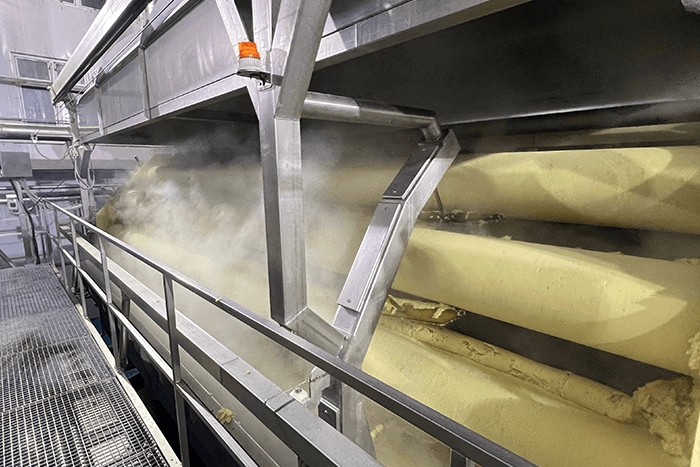
Precise cooking helps create a uniform mashed potato base before drying. This supports smooth rehydration, stable texture, and reduced lump formation when potato flakes are used in instant foods, snacks, or industrial mixing systems.
Drying must remove moisture efficiently while avoiding scorched notes, dark specks, or excessive flavor loss. A stable drying profile helps preserve natural potato aroma, light color, and consistent flake structure.
Final flake size and particle distribution affect hydration speed, mixing behavior, bulk density, and finished texture. We can adjust screening and milling to support fabricated chips, mashed potatoes, soups, sauces, bakery, frozen foods, and dry mixes.
Module 04 — Industrial Application Versatility
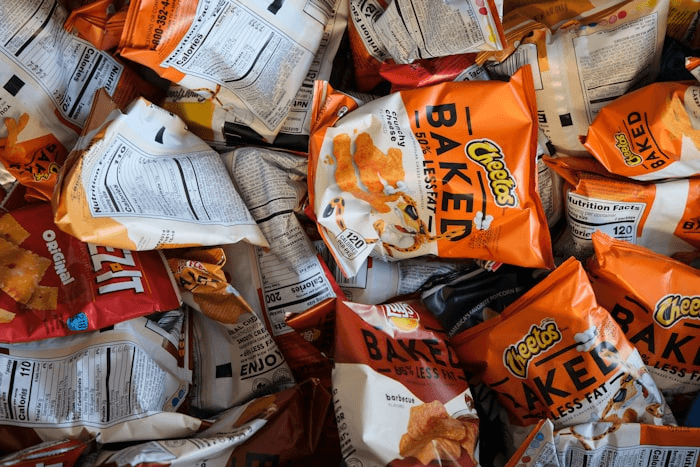
Potato flakes help build potato solids, dough structure, and consistent texture in fabricated chips, extruded snacks, pellet snacks, and restructured potato products.
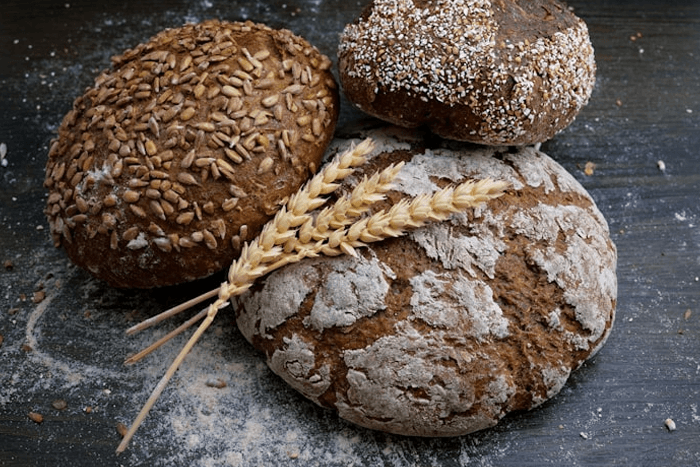
Used as a clean-label potato ingredient to improve moisture retention, soft texture, and mild potato flavor in breads, rolls, fillings, dough systems, and prepared foods.
Provides fast rehydration and smooth mouthfeel for instant mashed potatoes, soup bases, gravies, seasoning blends, dry sauce mixes, and convenience food formulations.

Supports water retention, structure, and potato-based texture in frozen foods, pet food, grain-free recipes, shaped products, and other high-moisture food applications.
Module 05 — Bulk Supply Chain & Packaging Logistics
We manufacture and supply potato flakes for global food processors, ingredient distributors, snack factories, instant food producers, and OEM formulation partners.

Supplied in 25kg multi-wall kraft paper bags with food-grade inner liners for moisture protection. Jumbo bag and customized packaging options can be discussed for large industrial users.
Batch control focuses on moisture, color, flavor, flake size, rehydration behavior, and finished texture, helping buyers maintain stable processing results.
FCL shipments can be accompanied by COA, packing list, commercial invoice, bill of lading, and relevant export documents. Certificate requirements can be reviewed before order confirmation.
Module 06 — B2B Technical FAQ
Answers for R&D teams, procurement managers, food technologists, snack factories, instant food manufacturers, and ingredient distributors evaluating potato flakes.
Cooking develops the potato structure before a thin mash film is dried on the drum. Excessive mechanical work or harsh drying can rupture more cells and release free starch, producing sticky or pasty reconstituted mash; insufficient control can leave uneven moisture, colour or flavour. Buyers should compare free-starch or blue-value direction, hydration behaviour, sensory texture and a retained approved sample. In practice, also record the water-to-flake ratio, water temperature, rehydration time and final water absorption of the mash, because these values are the ones a production kitchen actually controls. For import programmes, request the moisture and bulk density from the lot COA and compare the flake against a reference such as USDA A-A-20032H so expectations match the contract specification.
Large flakes, broken flakes and fines hydrate and feed differently. Instant mash may require controlled hydration and low pastiness, formed snacks may need predictable dough structure, and bakery dosing may favour easier dispersion. Specify a complete sieve distribution and limit excessive fines, then validate conveying, mixing, water addition, sheetability or mash texture in the actual line. Record the loose and tapped bulk density and the moisture range in the specification, because they decide how many bags fit an FCL and how dosing behaves on volumetric feeders. Ask the supplier for a sieve certificate and a lot COA, and use a trial order within the MOQ to confirm handling before committing to container supply.
Reducing sugars can react during frying and influence browning, flavour and colour consistency. The result also depends on frying temperature, time, oil, dough moisture and other ingredients, so a reducing-sugar result is not a complete fry-colour guarantee. Agree on the analytical method and use a standardized fry test or finished-snack colour target during sample and lot approval. In practice, run the fry test at the same oil temperature and time you use commercially, and compare the finished colour against an approved reference panel rather than a single number. Ask the lot COA to show reducing sugars and moisture on the agreed basis, and check any additive or processing declarations against destination rules such as EU 1333/2008 for food safety compliance.
Please state your finished product, target function, current benchmark, process conditions, trial quantity, estimated annual demand, destination country and port. Add the required bag weight, pallet preference, label language, TDS, COA, HALAL or other approval documents. This allows the supplier to recommend a realistic grade and quote MOQ, FOB/CIF basis, lead time and container loading instead of giving an unusable headline price.
Use a written trial protocol and test the sample against your current approved material. Record sample lot, dosage, water ratio, water temperature, addition order, mixing speed, rest time, cooking or extrusion conditions, yield, texture, colour, flavour and process losses. Keep a retained sample and scale from laboratory to pilot and production trials; do not approve a full container only from appearance or a single beaker test.
The signed specification should identify test method, unit and limit for critical items such as appearance, moisture, particle profile, bulk density, hydration or viscosity, colour, flavour, microbiological limits and relevant contaminants. The lot COA should show the actual batch results for the agreed release tests, not simply repeat specification limits. Buyers should also confirm product name, grade code, lot number, production date, shelf life and document version.
Approve a target specification together with a retained reference sample and application test. Compare incoming lots using the same methods and trend critical data rather than judging each COA in isolation; include moisture, colour, particle distribution, hydration, viscosity and sensory performance where relevant. If a result drifts, quarantine the lot, share photos and trial records, and complete a documented root-cause and corrective-action review before release.
MOQ and price depend on grade, customization, bag and pallet format, order frequency, destination, documents and whether the shipment is LCL, 20-foot or 40-foot FCL. Ask the quotation to state currency, validity, net weight, Incoterm such as FOB or CIF, loading quantity, production lead time, payment terms and what freight or customs costs are included. Trial orders of 1–5 MT may require a separate packing and logistics assessment from regular container supply.
Confirm bag construction, food-grade inner liner, net weight, heat sealing, pallet protection, label information and container moisture control. Store sealed product in a cool, dry, clean and odour-free warehouse away from walls, floor moisture, heat, pests and chemicals; use FIFO or FEFO according to the declared shelf life. Once opened, reseal the liner and record the opening date because dehydrated potato ingredients can absorb humidity and odours.
Request current copies of the supplier’s applicable food-safety certification, such as FSSC 22000, and HALAL certification when required by the market or customer. Verify the legal entity, manufacturing site, product scope, certificate number, issuer and expiry date rather than relying on a logo. Shipment documents may include commercial invoice, packing list, bill of lading, certificate of origin, health or sanitary documents and lot COA, subject to destination and contract.
Segregate the goods and avoid using or reworking them until the impact is assessed. Send the supplier the lot number, quantity affected, photos, seal and packaging condition, COA, storage record, sampling method, test report and application-trial evidence. Agree on re-test rules, third-party laboratory use, disposition and corrective action in writing; traceability should connect raw material, production, packing and shipment records.
Sample packs for application testing · COA available · R&D specification discussion supported.
Start a potato flakes inquiry
Share your application, trial volume and destination port — our technical team will prepare specs, MOQ and pricing.
PRODUCT APPROVAL · SPECIFICATION & APPLICATION
Use this section to verify whether the product form matches your formulation and line conditions. Focus on measurable properties such as hydration, particle size, bulk density, reducing sugars where relevant, colour and microbiological requirements.
Before approval, compare the sample with the current TDS and lot COA, then record the agreed limits in the purchase specification. Packing, MOQ and delivery terms can be confirmed after the technical fit is established.
Check the product against the finished product, dosage and process.
Review the measurable attributes used in sample and quality approval.
Link the approved grade to documents, packing and commercial supply.